
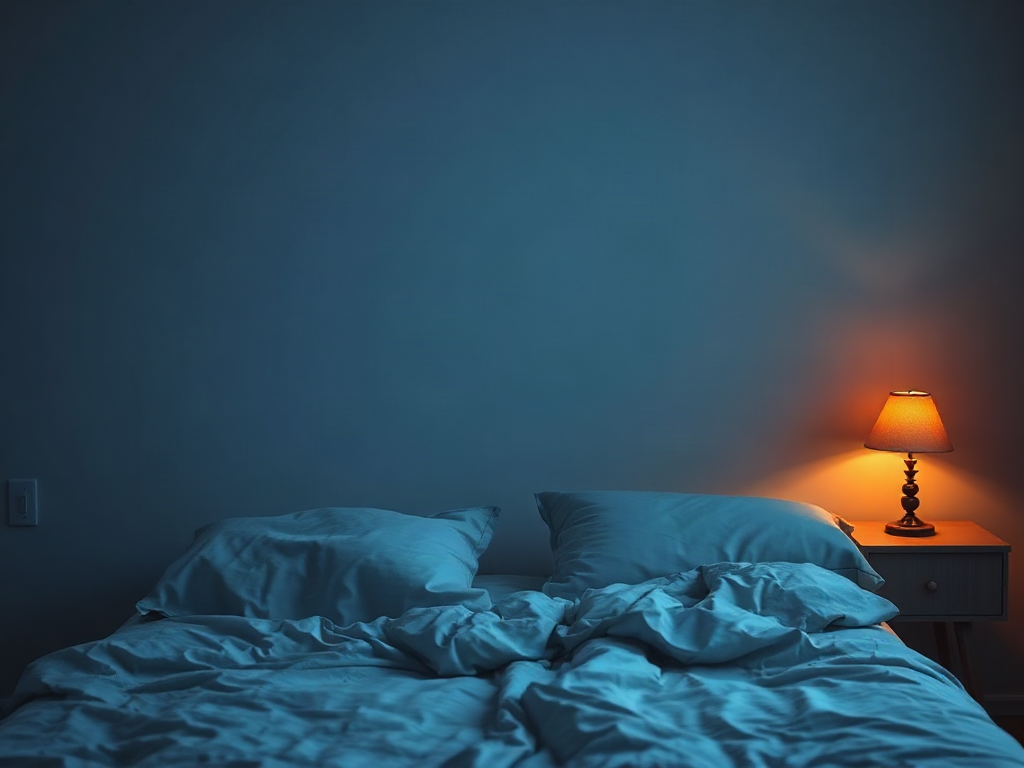
Night anxiety attacks and trauma-related sleep disruption often reinforce each other: a sensitized threat response interrupts sleep, while sleep loss lowers the threshold for panic, intrusive memories, and physical alarm. Helpful first steps include orienting to the present, lengthening the exhale without forcing deep breaths, leaving the bed briefly when wakefulness becomes prolonged, and recording patterns such as nightmares, substance use, or trauma reminders. Repeated episodes warrant assessment for PTSD, panic, sleep apnea, medication effects, and other sleep disorders rather than assuming every awakening has one cause. Urgent help is appropriate for chest pain, severe breathing difficulty, fainting, immediate danger, or thoughts of self-harm.
Why Does Trauma-Related Alarm Surface at Night?
Nighttime removes many of the cues and activities that help a person feel oriented during the day. Darkness, silence, physical vulnerability, a closed bedroom door, or the sensation of drifting out of control may resemble elements of a traumatic experience. The nervous system can respond to that resemblance before the person consciously identifies a memory. A pounding heart, sweating, shaking, nausea, breathlessness, or a sudden conviction that something is wrong may follow.
Sleep itself can create several routes into an alarm response. A nightmare may reproduce part of an event, express its emotional themes without replaying it literally, or end with intense fear but no remembered dream. A normal shift between sleep stages can also involve brief awakening and changes in heart rate or breathing. Someone who has become highly watchful of bodily sensations may interpret that ordinary transition as evidence of danger, escalating the response.
Trauma-related hyperarousal differs from ordinary bedtime worry, although the two can overlap. Bedtime worry usually develops through a recognizable chain of thoughts about tomorrow, relationships, finances, or health. Trauma-linked alarm may arrive abruptly, involve sensory fragments or a strong feeling of being back in danger, and persist even when the room is objectively safe. Panic attacks can occur in either pattern, so the timing alone does not establish PTSD or another diagnosis.
A common mistake is treating every episode as proof that sleep itself is unsafe. Avoiding bed, keeping every light on, repeatedly checking locks, or monitoring heart rate can provide immediate relief while teaching the brain that extensive protection was necessary. The better question is not simply “How do I stop feeling afraid?” but “What happened immediately before, during, and after the awakening?” Note whether there was a nightmare, noise, temperature change, breathing interruption, pain, alcohol use, medication change, or identifiable reminder. Patterns gathered over several nights are more informative than conclusions drawn during one frightening episode.
Recognizing Night Anxiety and Other Sleep Problems
A nighttime surge of fear should be interpreted carefully because several conditions can produce similar sensations. A nocturnal panic attack typically brings an abrupt burst of intense physical alarm after waking, sometimes without remembered dream content. A nightmare usually has a recalled story or image. A flashback may include sensory fragments, altered awareness of the present, or the feeling that the traumatic event is happening again. These experiences can coexist, and a clinician may need to distinguish among them.
Physical sleep problems deserve equal attention. Loud snoring, gasping, witnessed pauses in breathing, morning headaches, or marked daytime sleepiness may point toward sleep-disordered breathing. Reflux, pain, hot flashes, low blood sugar in someone using glucose-lowering medication, and certain heart or lung problems can also cause abrupt awakenings. Sleep paralysis has another recognizable pattern: awareness returns while the person is temporarily unable to move, sometimes with a sensed presence or vivid imagery. Labeling all such events “just anxiety” can delay appropriate assessment.
A short record can make a medical or mental health appointment more productive. For one or two weeks, when feasible, record bedtime, estimated sleep onset, awakenings, remembered dreams, physical sensations, possible reminders, caffeine or alcohol timing, medication changes, and next-day impairment. Avoid turning the record into minute-by-minute surveillance; excessive monitoring can increase vigilance. A few factual notes made in the morning are usually more useful than repeatedly checking the clock overnight.
| Pattern to notice | Possible interpretation | Useful next step |
|---|---|---|
| Fear after a vivid threatening dream | Nightmare-related awakening | Record the theme and discuss recurring nightmares with a clinician |
| Abrupt physical alarm without dream recall | Nocturnal panic or another physical trigger | Note symptoms, duration, substances, and medical warning signs |
| Gasping, snoring, or breathing pauses | Possible sleep-related breathing problem | Seek medical evaluation rather than relying only on relaxation |
| Feeling back at the event | Possible trauma re-experiencing | Use present-orientation cues and seek trauma-informed assessment |
The table is a sorting aid, not a diagnostic test. The practical priority is to identify repeated features and functional impact. If episodes are becoming more frequent, causing dangerous fatigue, or leading to strong avoidance of sleep, the pattern merits professional attention even when its exact label remains uncertain.
What Should You Do During a Night Anxiety Attack?
The immediate goal is to re-establish present-time safety without beginning an extended struggle against every sensation. Start by identifying where you are and what is happening: name the room, the current date, and one visible object that confirms the present. If darkness increases confusion, use a dim, warm light rather than a bright screen. Place both feet on the floor or feel the mattress supporting your body, provided those sensations are not themselves triggering.
Breathing guidance should be gentle. Forced deep inhalations can worsen lightheadedness or create another sensation to fear. Instead, allow a comfortable inhale and make the exhale slightly slower or longer for several cycles. Pair that with external sensory information: identify three neutral objects, notice the temperature of the air, or hold a familiar textured item. The purpose is orientation, not performing the exercise perfectly or forcing anxiety to disappear immediately.
A compact response sequence can reduce decision-making while half awake:
- Check immediate safety. Look for urgent medical symptoms or an actual environmental threat.
- Orient to the present. State your location, date, and a fact that separates now from the traumatic event.
- Reduce stimulation. Avoid news, social media, work messages, and repeated symptom searches.
- Change setting briefly if needed. If the bed becomes a place of prolonged struggle, sit somewhere quiet until drowsiness returns.
- Document later. Make a short morning note rather than analyzing the episode overnight.
Consider a person who wakes after a nightmare with racing thoughts and checks every room for an hour. A more contained plan might involve one reasonable safety check, a written reminder that the home was secured before bed, several minutes of orientation, and then a quiet activity outside the bed if alertness persists. The limit matters: endless checking may lower anxiety momentarily but can strengthen the expectation of danger on future nights.
Signs the response is helping include recovering awareness of the current surroundings, less urgency to escape or check, and a gradual return of drowsiness. A technique is failing when it becomes another rigid test—such as believing sleep is impossible unless breathing is controlled exactly—or when it repeatedly intensifies flashbacks. Trauma-informed care can help adapt grounding methods because closing the eyes, focusing inward, or attending to the body is not calming for everyone.
Breaking the Anxiety and Sleep-Loss Cycle
Longer-term improvement usually requires attention to both the trauma response and the habits that have formed around disrupted sleep. Sleep loss can increase emotional reactivity and make bodily sensations harder to interpret calmly. At the same time, staying awake to prevent nightmares, sleeping at irregular hours, or using the bed as a place for checking and worry can weaken the connection between bed and sleep.
Keep wake time reasonably consistent, even after a difficult night, while allowing for medical advice and safety needs. Use a predictable wind-down period with low light and low-demand activity. Caffeine late in the day can delay sleep or amplify physical arousal in sensitive people. Alcohol may feel sedating at first but can fragment sleep later in the night; using it as a sleep remedy may therefore worsen the pattern. Any change involving prescribed sleep, anxiety, or pain medication should be discussed with the prescriber rather than made abruptly.
The bedroom should support sleep without becoming an elaborate defense system. A night-light, accessible water, or one agreed safety routine may be reasonable. By contrast, repeated camera checks, multiple rounds of lock checking, or remaining fully dressed to escape can preserve the message that danger is imminent. Reducing these behaviors is often easier in small steps and may be best handled with professional support when they are closely tied to traumatic memories.
Evidence-based care may address different parts of the problem. Trauma-focused psychotherapy can work on re-experiencing, avoidance, and persistent threat responses. Cognitive behavioral therapy for insomnia focuses more directly on sleep timing, conditioned wakefulness, and unhelpful beliefs about sleep. Nightmare-focused methods may be considered when distressing dreams are recurrent. The appropriate option depends on symptoms, readiness, other health conditions, and access; self-directed exposure to traumatic material is not a substitute for individualized care.
Progress should be judged by function rather than demanding perfect nights. Useful signs include spending less time checking, returning to the present more quickly, experiencing fewer avoided bedtimes, and functioning more safely during the day. If a routine consumes increasing time, makes fear more rigid, or leaves the person dangerously sleepy, it needs reassessment. Recovery is rarely a straight line, and a brief symptom return after a reminder does not automatically mean that prior gains have been lost.
When Is Professional or Urgent Help Needed?
Professional assessment is appropriate when nighttime episodes persist, impair daytime functioning, or create fear of going to sleep. A primary care clinician can review medical causes, medications, substance use, and signs of a separate sleep disorder. A licensed mental health professional with trauma experience can assess re-experiencing, avoidance, hyperarousal, panic, depression, and safety. A sleep specialist may be especially relevant when breathing pauses, unusual movements, severe daytime sleepiness, or complex behaviors during sleep are present.
Bring a concise symptom record and a complete medication and supplement list. Describe what an observer would see, not only the label you have assigned: “I wake gasping and my partner notices pauses in breathing” is more actionable than “I have anxiety.” Mention new prescriptions, dose changes, withdrawal from alcohol or sedating substances, pregnancy, pain, and other health changes. These details can alter the safest next step.
Some symptoms should not wait for a routine appointment. Seek emergency medical help for chest pain, fainting, severe or unfamiliar breathing difficulty, signs of stroke, serious injury, or symptoms that feel medically dangerous. Contact emergency services or a crisis resource when there is immediate risk of self-harm, suicide, or harm from another person. In the United States, calling or texting 988 connects people with the Suicide & Crisis Lifeline; availability and emergency procedures differ elsewhere.
A frequent failure mode is postponing care because the episodes occur only at night or because prior tests were normal. Another is seeking only a sedating solution without examining nightmares, conditioned fear, breathing problems, or substance effects. Medication may have a role for some people, but benefits, side effects, interactions, and dependence risks require individualized discussion. The strongest assessment considers sleep, trauma, physical health, and current safety together rather than forcing every symptom into a single explanation.
Conclusion
Repeated nighttime alarm deserves a broader response than simply trying harder to relax. Track the circumstances without obsessively monitoring them, use a brief present-orientation plan during episodes, and examine behaviors that may unintentionally keep the bed linked with danger. Give particular attention to nightmares, breathing changes, substances, medications, physical symptoms, and next-day impairment.
The next practical step depends on the pattern. Occasional episodes may respond to a consistent sleep schedule and a contained grounding routine. Persistent attacks, sleep avoidance, or daytime dysfunction call for trauma-informed mental health or medical assessment, while gasping and marked sleepiness may justify sleep-focused evaluation. Treat unfamiliar chest pain, severe breathing difficulty, fainting, immediate danger, or self-harm risk as urgent rather than assuming anxiety is the cause.
Frequently Asked Questions
Can PTSD cause panic attacks during sleep?
PTSD may be associated with abrupt nighttime fear, nightmares, and hyperarousal, but nocturnal panic can also occur outside PTSD. Assessment is useful when episodes recur or impair sleep.
Why do I wake with anxiety but remember no nightmare?
A dream may not be remembered, or the awakening may involve nocturnal panic, breathing disruption, pain, medication effects, or another trigger. Repeated patterns should be discussed with a clinician.
Should I stay in bed during a nighttime anxiety episode?
If you remain highly alert or distressed, a brief move to a quiet, dimly lit place may prevent the bed from becoming associated with prolonged struggle. Return when drowsiness develops.
Can grounding make trauma symptoms worse?
Some inward-focused methods can intensify distress, especially if body sensations or closed eyes are triggering. Try external orientation instead and ask a trauma-informed clinician to help personalize the approach.
When should nighttime anxiety be medically evaluated?
Arrange evaluation when attacks recur, disrupt daytime function, cause sleep avoidance, or involve snoring, gasping, unusual movements, medication changes, or severe sleepiness. Emergency symptoms require immediate help.