
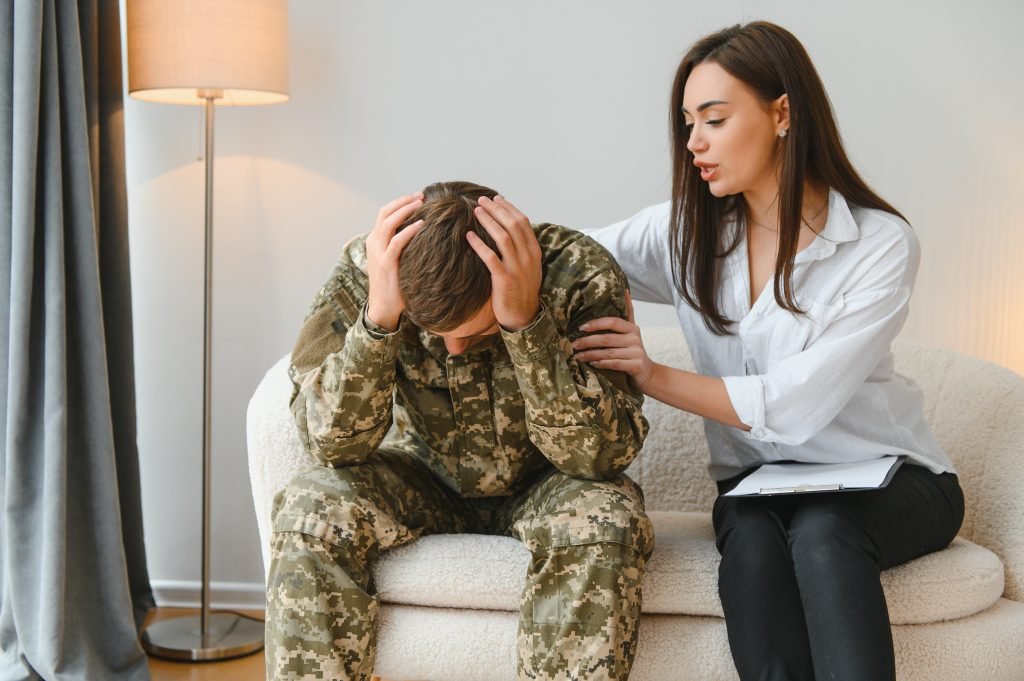
One critical aspect of moving forward is the establishment of a support network. This network can include family, friends, therapists, or support groups. Having a reliable support system not only provides emotional backing but also encourages accountability in the healing process. It’s important to seek out those who understand your experience and can offer genuine support without judgment.
Additionally, engaging in therapeutic practices tailored to your needs can significantly aid recovery. Options such as cognitive-behavioral therapy (CBT), mindfulness, or trauma-focused therapy can help individuals process their trauma effectively. Avoiding common pitfalls, such as isolating oneself or neglecting self-care, is crucial. Prioritizing mental health through therapy and self-care routines can lead to a more profound sense of resilience.
Understanding Trauma and Its Impact
Trauma can profoundly affect an individual’s mental and physical health. Understanding its impact is crucial for effective recovery. Trauma often leads to feelings of fear, anxiety, and isolation, which can manifest in various ways, including depression and PTSD. Recognizing these effects is the first step in addressing them.
Many individuals underestimate the long-lasting effects of trauma, assuming that time alone will heal their wounds. However, trauma can create a cycle of emotional distress that requires active engagement to break. Acknowledging the trauma allows individuals to confront their feelings and start the healing process.
Moreover, understanding the common misconceptions surrounding trauma—such as the belief that one should simply “get over it”—can help individuals navigate their recovery more effectively. It is essential to approach trauma with compassion and patience, acknowledging that healing is often non-linear and requires time.
Building a Support Network
A strong support network is vital for anyone looking to move forward after trauma. Support can come from friends, family, or professional therapists. Building these connections can provide a safe space to share feelings and experiences, which is essential for healing.
Choosing the right people to include in your support network is crucial. Look for individuals who are empathetic, understanding, and willing to listen without judgment. This support can help combat feelings of isolation and encourage individuals to express their emotions openly.
Additionally, consider joining support groups where you can connect with others who have experienced similar trauma. Sharing experiences with those who truly understand can be incredibly therapeutic and affirming. Remember, your support network should empower you and enhance your healing journey.
Therapeutic Approaches for Healing
Engaging in therapeutic practices can significantly enhance recovery after trauma. Various therapeutic approaches, such as cognitive-behavioral therapy (CBT), EMDR (Eye Movement Desensitization and Reprocessing), and mindfulness-based therapies, have proven effective in helping individuals process their trauma.
Each therapeutic method has its strengths, and what works for one person may not work for another. It’s essential to explore different options and find a therapist whose approach resonates with you. Many people find that a combination of therapies works best for their unique situation.
Moreover, individuals often overlook the importance of continuity in therapy. Regular sessions and consistent engagement can lead to more significant breakthroughs and a deeper understanding of one’s trauma. Prioritize finding a therapeutic approach that feels right for you and commit to the process.
Self-Care Strategies to Foster Resilience
Self-care plays a crucial role in moving forward after trauma. It involves taking deliberate actions to enhance your physical, emotional, and mental well-being. Simple practices such as regular exercise, healthy eating, and mindfulness can significantly impact your recovery journey.
Incorporating daily self-care routines can help individuals regain a sense of control and stability in their lives. Activities such as journaling, meditation, or engaging in creative outlets can provide a therapeutic release and foster resilience.
Additionally, it’s essential to be mindful of the potential for burnout during the recovery process. Allow yourself the grace to rest and recharge. Recognizing when you need a break and prioritizing self-care can prevent feelings of overwhelm and promote sustained healing.
Further Reading
Authoritative Sources
- MedlinePlus
medlineplus.govConsumer-friendly medical and health information from the U.S. National Library of Medicine.
- National Institutes of Health
nih.govResearch-based health information and links to authoritative medical resources.
- Centers for Disease Control and Prevention
cdc.govOfficial public health guidance, prevention resources, and topic-specific recommendations.
- Mayo Clinic
mayoclinic.orgTrusted clinical guidance, symptom explainers, and treatment overviews.
- World Health Organization
who.intGlobal health guidance, fact sheets, and evidence-based public health information.
Frequently Asked Questions
What are the first steps to take after experiencing trauma?
The first steps include acknowledging your feelings, seeking support from friends or professionals, and engaging in self-care practices to foster healing.
How long does it take to recover from trauma?
Recovery time varies significantly from person to person; it can take months or even years. Consistent support and therapeutic engagement can help expedite the process.
Can trauma affect physical health?
Yes, trauma can lead to physical health issues such as chronic pain, fatigue, and other stress-related conditions due to the body’s response to trauma.
Is it normal to feel anxious after trauma?
Yes, anxiety is a common response to trauma. It’s essential to address these feelings through supportive therapy and self-care practices.
What should I avoid while healing from trauma?
Avoid isolating yourself, neglecting self-care, or minimizing your feelings. Surround yourself with supportive individuals and engage in healing activities.
Conclusion
Moving forward after trauma is a personal and often challenging journey. Prioritizing support, engaging in therapeutic practices, and adopting self-care strategies are essential steps toward healing. Remember that recovery is not linear, and it’s okay to take your time. Focus on building resilience and nurturing your mental health, allowing yourself the grace to heal at your own pace. By implementing these strategies, you can foster a healthier, more fulfilling life post-trauma.