
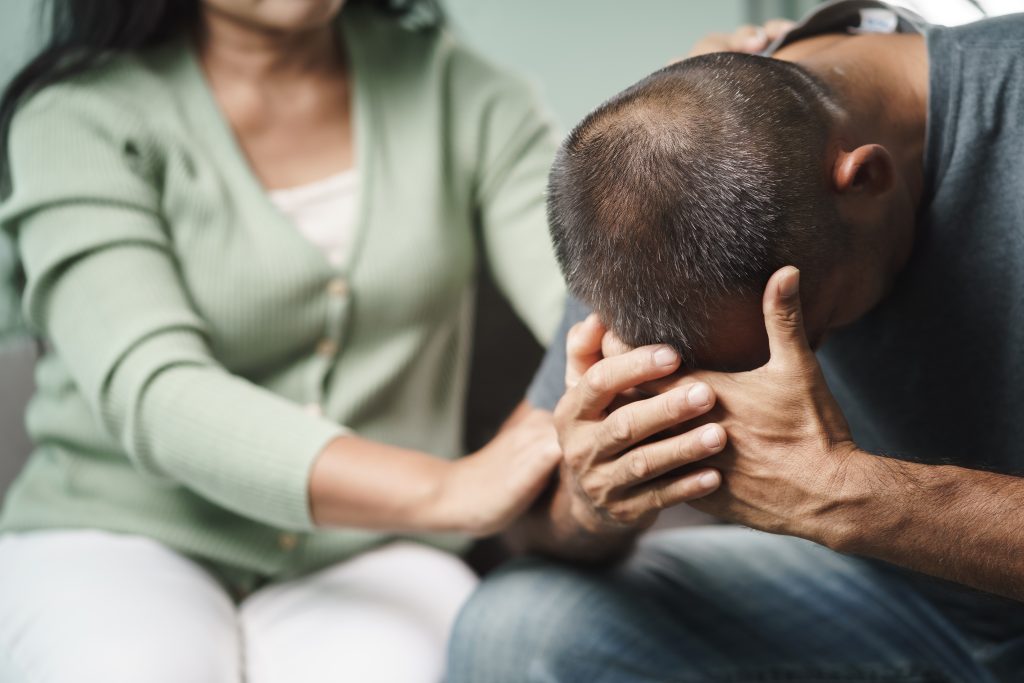
One of the most important aspects of rebuilding confidence is recognizing the emotional and psychological barriers that trauma creates. Many individuals may struggle with self-doubt, anxiety, or feelings of unworthiness. Engaging in therapy can help address these challenges by providing coping mechanisms and a safe space to explore feelings. Additionally, setting achievable goals can create a roadmap for progress, allowing individuals to measure their growth and resilience.
It’s crucial to understand that recovery from trauma is not a linear process. Many may experience setbacks or moments of doubt. Establishing a routine that includes healthy habits, such as exercise and mindfulness, can help create stability and promote a positive mindset. Engaging in activities that bring joy and fulfillment can also enhance confidence and provide a sense of accomplishment.
Understanding Trauma’s Impact on Confidence
Trauma can significantly alter an individual’s perception of self-worth and capability. Many may find themselves grappling with negative self-talk and diminished confidence following a traumatic experience. Recognizing how trauma influences emotions and behaviors is a critical step in the healing journey.
For instance, individuals may internalize feelings of failure or inadequacy, leading to avoidance behaviors that further erode confidence. Identifying these patterns is essential for addressing the underlying issues. It’s important to remember that trauma responses are valid and often rooted in survival mechanisms.
One common mistake people make is underestimating the time it takes to rebuild confidence. Setting unrealistic timelines can lead to frustration and disappointment. Instead, focusing on small, incremental changes can foster a sense of achievement and reinforce positive self-perception.
Effective Strategies for Rebuilding Confidence
Rebuilding confidence after trauma involves consistent practice and dedication. Effective strategies include setting realistic goals, engaging in self-care, and practicing positive affirmations. These methods can help individuals confront their fears and gradually reclaim their sense of self.
For example, setting daily or weekly goals can create a structure that encourages progress. This can range from simple tasks, like getting out of bed at a specific time, to more complex challenges, such as engaging in social activities. Celebrating these achievements, no matter how small, reinforces a positive self-image.
Additionally, self-care practices, such as exercise, nutrition, and mindfulness, can improve overall well-being and boost confidence. Neglecting physical health can exacerbate feelings of low self-esteem, so prioritizing self-care is crucial. It’s also essential to be patient with oneself and recognize that healing is a journey, not a destination.
The Role of Professional Help
Seeking professional help plays a vital role in rebuilding confidence after trauma. Therapists and counselors can provide tailored strategies and support that address individual needs. Cognitive-behavioral therapy (CBT) and trauma-focused therapy are particularly effective in helping individuals understand and reframe their thoughts and feelings.
Professional guidance can also help individuals navigate complex emotions and provide tools to cope with triggers. Engaging in group therapy can foster a sense of community and belonging, which can be particularly beneficial for those who feel isolated due to their experiences.
One key aspect often overlooked is the importance of finding the right therapist. Individuals should feel comfortable and safe, as this relationship is fundamental to the healing process. Taking time to find a compatible professional can significantly impact recovery outcomes.
Building a Support System
A strong support system is essential in the journey of rebuilding confidence after trauma. Friends, family, and support groups can provide encouragement and understanding, helping individuals feel less isolated in their struggles.
Engaging with others who have experienced similar challenges can foster a sense of shared understanding and validation. Support groups can offer a safe space to share experiences and coping strategies, reinforcing that recovery is possible.
However, it’s important to choose supportive individuals who respect your journey and provide constructive feedback. Toxic relationships can hinder recovery, so identifying and distancing oneself from negativity is vital. Prioritizing connections that uplift and encourage growth can significantly enhance confidence rebuilding efforts.
Further Reading
Authoritative Sources
- Ready.gov
ready.govOfficial U.S. preparedness guidance, checklists, and planning resources for households and emergencies.
- FEMA
fema.govFederal emergency management resources, disaster planning information, and recovery guidance.
- American Red Cross Emergency Preparedness
redcross.orgPractical emergency preparation steps, supply lists, and safety guidance for families.
- National Weather Service
weather.govOfficial forecasts, hazard alerts, and weather safety information.
- CDC Emergency Preparedness and Response
cdc.govPublic health guidance for emergencies, disasters, and recovery situations.
Frequently Asked Questions
What are the first steps to rebuilding confidence after trauma?
The first steps include acknowledging the trauma, seeking professional help, and setting small, achievable goals to foster a sense of accomplishment.
How long does it take to rebuild confidence?
Rebuilding confidence is a personal journey that varies for each individual; it can take weeks, months, or even years, depending on the severity of the trauma and the support received.
Is therapy necessary for rebuilding confidence?
While therapy can be incredibly beneficial, some individuals may find alternative support systems, such as support groups or self-help strategies, effective in rebuilding confidence.
What role does self-care play in rebuilding confidence?
Self-care is crucial as it promotes physical and emotional well-being, which can significantly enhance confidence and resilience during the recovery process.
How can I support someone rebuilding confidence after trauma?
Supporting someone involves listening without judgment, encouraging their progress, and helping them find professional resources if needed.
Conclusion
Rebuilding confidence after trauma is a multifaceted process that requires patience, dedication, and support. By understanding the impact of trauma, implementing effective strategies, and seeking professional help, individuals can navigate their recovery journey successfully. Building a strong support system and prioritizing self-care are essential components that can enhance resilience and foster a renewed sense of self-worth. Remember to celebrate small victories and be kind to yourself; healing is a journey worth taking.