
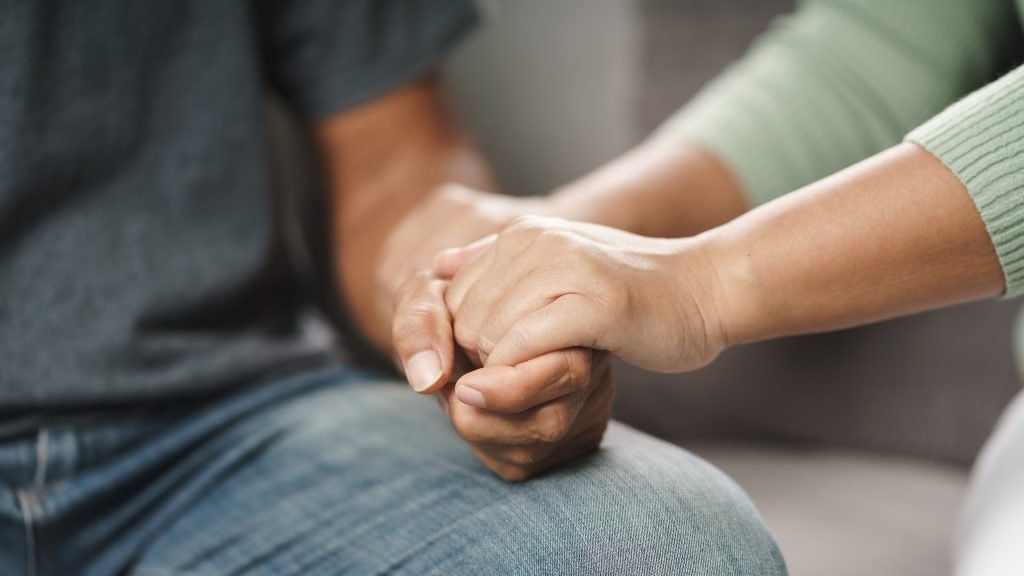
Understanding the timeline of PTSD recovery helps individuals set realistic expectations and prepare for emotional fluctuations. The stabilization phase focuses on safety and coping strategies, while the processing phase addresses the trauma through therapeutic techniques. Lastly, the integration phase involves applying learned skills to daily life, emphasizing the importance of support systems and ongoing self-care.
A common mistake during recovery is underestimating the time needed to heal fully. Many individuals expect quick results and may become discouraged if progress seems slow. It’s essential to recognize that recovery is a personal journey, with timelines influenced by various factors such as the severity of trauma, support systems, and individual resilience.
Understanding the Stabilization Phase
The stabilization phase is the first step in the PTSD recovery timeline, focusing on establishing a sense of safety and stability. This phase is crucial for individuals to develop coping strategies and learn to manage their symptoms effectively.
During stabilization, individuals may engage in therapy to learn grounding techniques, relaxation methods, and self-care practices. It’s important to prioritize creating a supportive environment, as this can significantly impact recovery. Common pitfalls include neglecting self-care or isolating oneself from support networks, which can hinder progress.
A practical approach during this phase is to create a daily routine that incorporates self-care activities. This not only fosters a sense of normalcy but also helps individuals recognize their progress over time. Setting small, achievable goals can also aid in building confidence.
Navigating the Processing Phase
The processing phase involves confronting and working through the trauma experienced. This phase is often challenging yet essential for long-term healing. Therapy may include techniques such as EMDR (Eye Movement Desensitization and Reprocessing) or cognitive-behavioral therapy.
During this phase, individuals may experience intense emotions as they process their trauma. It’s vital to approach these feelings with compassion and patience. Many individuals may feel overwhelmed, leading to avoidance behaviors that can stall recovery. Recognizing these feelings and seeking support is crucial.
In this stage, maintaining open communication with therapists and loved ones can provide essential support. Journaling can also be an effective tool to process emotions and track progress. Understanding that setbacks are part of the healing process can help individuals stay motivated.
The Importance of the Integration Phase
The integration phase is where individuals begin to apply the skills and insights gained during therapy into their daily lives. This phase is characterized by a gradual return to normalcy and enhanced coping mechanisms.
During integration, individuals may face challenges as they reintegrate into their social and work environments. It’s important to recognize the potential for triggers and develop strategies to manage them effectively. Many individuals find it beneficial to continue therapy or support groups during this phase.
Setting realistic expectations is key during integration. Progress may be non-linear, and individuals should be encouraged to celebrate small victories. Engaging in community activities or hobbies can foster a sense of belonging and support ongoing recovery.
Further Reading
Authoritative Sources
- MedlinePlus
medlineplus.govConsumer-friendly medical and health information from the U.S. National Library of Medicine.
- National Institutes of Health
nih.govResearch-based health information and links to authoritative medical resources.
- Centers for Disease Control and Prevention
cdc.govOfficial public health guidance, prevention resources, and topic-specific recommendations.
- Mayo Clinic
mayoclinic.orgTrusted clinical guidance, symptom explainers, and treatment overviews.
- World Health Organization
who.intGlobal health guidance, fact sheets, and evidence-based public health information.
Frequently Asked Questions
How long does the PTSD recovery timeline typically take?
The timeline varies widely; some may see progress within months, while others may take years. Individual factors such as the severity of trauma and support systems play a significant role.
What are common signs of progress during recovery?
Signs of progress may include improved coping skills, reduced symptoms, and a greater sense of control over emotions and reactions.
Can I recover from PTSD without therapy?
While some individuals may find relief through self-help strategies, professional therapy is often essential for effective recovery from PTSD.
What should I do if I experience a setback?
Setbacks are a normal part of recovery. It’s important to seek support, practice self-compassion, and revisit coping strategies to manage the situation.
How can family and friends support someone with PTSD?
Family and friends can offer emotional support, listen without judgment, and encourage the individual to engage in therapy and self-care practices.
Conclusion
Understanding the PTSD recovery timeline is vital for individuals navigating their healing journey. Each phase—stabilization, processing, and integration—has its challenges and milestones. By setting realistic expectations, seeking support, and prioritizing self-care, individuals can foster a more effective recovery process. Remember, healing is a personal journey; progress may be non-linear, but with patience and perseverance, recovery is achievable.