
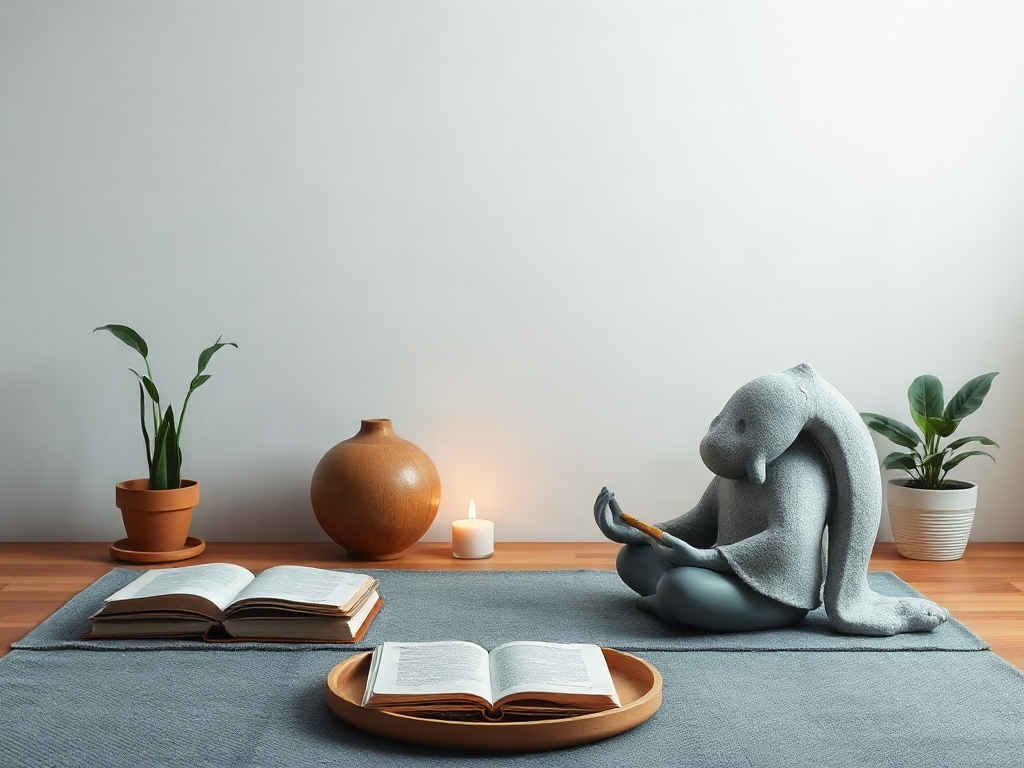
Trauma-sensitive mindfulness for people with PTSD works best when attention remains voluntary, externally anchored when needed, and adjustable before distress becomes overwhelming. Rather than requiring closed eyes, prolonged stillness, or detailed awareness of bodily sensations, practice may use an open gaze, contact with the floor, neutral sounds, brief sessions, and permission to stop. These choices can reduce the likelihood that mindfulness will intensify flashbacks, dissociation, panic, or a sense of being trapped. A qualified trauma-informed clinician can help adapt practice when symptoms are severe, grounding repeatedly fails, or meditation interferes with daily functioning.
How Does Mindfulness Change When PTSD Is Involved?
Standard meditation instructions may conflict with the needs of a nervous system responding to traumatic stress. Closing the eyes can reduce awareness of the room, stillness may feel like immobilization, and sustained attention to breathing or internal sensations may bring a person closer to panic, intrusive memories, or dissociation. A trauma-sensitive approach changes the conditions of practice rather than assuming discomfort must be endured.
The central adjustment is preserving agency. The person decides where to direct attention, whether to sit or move, how long to continue, and when to stop. A teacher or recording should offer invitations rather than commands. “You might notice a sound if that feels manageable” leaves room for choice; “close your eyes and stay with the sensation” can create pressure to override warning signals.
Mindfulness also does not require intense inward focus. Someone who becomes unsettled while tracking the breath may be better served by looking at a stable object, listening to ordinary sounds, or noticing their feet inside their shoes. These are not lesser versions of practice. They cultivate present-moment orientation while limiting exposure to sensations that may be linked with traumatic memories.
Consider a person who becomes lightheaded during a ten-minute breathing meditation. A conventional interpretation might label the reaction as distraction or resistance. A trauma-sensitive interpretation asks what occurred: Was the breath being controlled? Did closing the eyes increase vulnerability? Did numbness, unreality, or a memory appear? The next practice might involve standing near a doorway, keeping the gaze open, and noticing three colors for thirty seconds. The goal is workable awareness, not compliance with a meditation format.
A common mistake is treating activation as proof that mindfulness is reaching material that must be processed. Strong activation can instead mean that the practice exceeds the person’s current capacity to remain oriented. Mindfulness is not exposure therapy by default, and an app, class, or retreat should not be assumed to provide trauma treatment. People with persistent or disabling PTSD symptoms may need individualized guidance from a licensed mental health professional who understands trauma and dissociation.
Choosing Safer Attention Anchors
A useful attention anchor is noticeable enough to return to but neutral enough that it does not pull the person into traumatic material. Breath awareness is popular, yet it is only one option. For some people, breathing sensations are associated with choking, restraint, medical procedures, panic, or assault. Repeatedly forcing attention back to the breath can intensify distress rather than build steadiness.
External anchors often provide a more accessible starting point. A person might track the straight edge of a table, the color of a wall, daylight at a window, or a predictable sound such as a fan. Contact-based anchors can include the feet against the floor or the back against a supportive chair. Movement may also be easier than stillness: slow walking, gently pressing the palms together, or turning the head to look around the room can reinforce awareness of the current environment.
The safest anchor is individual and may change from one day to another. A weighted blanket might feel settling to one person and confining to another. Nature sounds may be neutral in one context but resemble part of someone else’s trauma. The practical test is not whether an anchor is commonly recommended; it is whether the person can notice it while retaining orientation, choice, and the ability to shift attention.
A short anchor check can help before practice:
- Orientation: Can you still identify where you are and what day or time period it is?
- Choice: Does shifting away from the anchor feel permitted and physically possible?
- Intensity: Is distress manageable, stable, or decreasing rather than rapidly escalating?
- Aftereffect: Do you feel reasonably present afterward rather than foggy, flooded, or detached?
Body scans deserve particular care. Moving attention slowly through every body region can amplify pain, shame, numbness, or traumatic associations. An alternative is selective contact: notice only the hands, feet, or another relatively neutral area, then return to the room. Another option is alternating between an external object and a tolerable physical sensation. This creates an exit route instead of making internal attention the entire task.
The most frequent anchor error is continuing after it has stopped functioning as an anchor. If attention narrows, the room feels distant, or sensations become threatening, switching to sight, movement, conversation, or an ordinary activity may be more appropriate than trying harder. The capacity to disengage is part of trauma-sensitive mindfulness, not a failure of it.
A Pacing Plan That Preserves Choice
Brief, repeatable practice is generally more informative than attempting a long session and hoping distress will settle. Duration should follow the person’s response rather than a universal meditation target. Thirty seconds of oriented attention may be enough for an initial experiment, especially for someone who has previously experienced flashbacks, panic, or dissociation while meditating.
Begin by setting up the environment rather than immediately focusing inward. Choose a place with a visible exit, adequate light, and a posture that permits movement. Decide in advance that eyes may remain open and that stopping is allowed. Identify an external anchor and an ordinary next activity, such as making tea or sending a routine message, to support reorientation after practice.
A paced sequence can look like this:
- Name the present location and notice two stable features in the room.
- Attend to one neutral anchor for a short, predetermined interval.
- Shift attention outward by looking around or listening for nearby sounds.
- Check for changes in orientation, muscle tension, breathing, and emotional intensity.
- Stop while the experience remains manageable rather than waiting for distress.
For example, someone practicing before sleep may find that quiet breath meditation increases vigilance because darkness and reduced environmental awareness feel unsafe. Practicing earlier in the evening with the lights on, feet on the floor, and attention on a visible object may be more tolerable. If that remains activating, a mindful household activity—washing a cup while noticing water temperature and the shape of the cup—may preserve present-moment attention without requiring stillness.
Progress should be judged by function, not by how long a person can remain motionless. Useful signs include recovering orientation more easily, recognizing activation earlier, and shifting attention without self-criticism. Increasing duration is reasonable only when practice leaves the person at least as present and capable as before. Longer is not automatically more therapeutic.
Another common error is practicing only during a crisis. Severe activation makes concentration and choice harder, so an unfamiliar technique may feel ineffective or coercive. Trying a very small practice during a relatively steady period allows the person to evaluate it without demanding that it stop a flashback. During acute distress, established grounding, contact with a trusted person, a clinician’s plan, or emergency support may take priority over mindfulness.
When Should You Pause or Seek Professional Help?
Mindfulness should be paused when it repeatedly increases disorientation, emotional flooding, or loss of voluntary control. Temporary discomfort is not the only issue to watch. A person may appear calm while becoming numb, detached, unable to track time, or less aware of the surroundings. Those reactions can be easy to misread as relaxation.
Warning signs during practice include feeling unreal, losing a clear sense of place, experiencing vivid traumatic imagery, becoming unable to move or speak voluntarily, or feeling compelled to continue despite wanting to stop. Concerning aftereffects include prolonged panic, sleep disruption, worsening nightmares, gaps in memory, difficulty completing routine tasks, or needing hours to feel present again. These signals do not prove that mindfulness caused the symptoms, but they justify stopping the exercise and discussing the pattern with a qualified professional.
Group settings create additional constraints. A teacher may not know each participant’s trauma history, and a silent room can make leaving feel conspicuous. Before joining, ask whether eyes may remain open, movement and breaks are permitted, participation in body scans is optional, and support is available if someone becomes distressed. A teacher who frames every adverse reaction as resistance, insists that participants remain still, or discourages outside mental health care is not offering a suitably choice-based environment.
Self-guided practice may fit people who can remain oriented, recognize early activation, and stop without pressure. Individual professional support is more appropriate when dissociation is frequent, symptoms are severe, prior meditation has triggered prolonged destabilization, or the person is unsure whether bodily sensations are medically significant. Trauma-sensitive mindfulness can complement clinical care, but it should not replace assessment or evidence-based PTSD treatment.
If a person is in immediate danger, may harm themselves or someone else, cannot regain basic orientation, or has a medical emergency, mindfulness practice is not the priority. Contact local emergency services or an appropriate crisis resource. For non-urgent concerns, a licensed mental health professional can help distinguish tolerable activation from destabilization and adapt practices around the person’s trauma history, current symptoms, and treatment plan.
The practical boundary is straightforward: a practice should expand usable choice, not repeatedly take it away. Pausing, changing anchors, moving, speaking, or ending a session are legitimate mindfulness decisions. Success is not remaining with every sensation; it is noticing enough to respond safely and deliberately.
Frequently Asked Questions
Can mindfulness make PTSD symptoms worse?
It can intensify flashbacks, panic, hypervigilance, or dissociation for some people, particularly when practice involves closed eyes, prolonged stillness, or forced inward attention. Stop or modify the exercise if symptoms escalate or orientation weakens.
Do I have to focus on breathing?
No. Neutral visual details, sounds, foot contact, chair support, or slow movement can serve as anchors. Choose an option that helps you remain aware of the present environment without feeling trapped.
How long should a trauma-sensitive mindfulness session last?
There is no required duration. An initial practice may last only 30 seconds to a few minutes, with continuation based on orientation and aftereffects rather than endurance or a meditation target.
Is mindfulness a treatment for PTSD?
Mindfulness may be used as a supportive skill, but it should not be assumed to replace assessment or established PTSD treatment. A licensed clinician can advise how it fits a person’s symptoms and care plan.
Should I keep meditating through a flashback?
Do not force continued meditation. Reorient to the room, move if possible, use an established grounding or safety plan, and seek appropriate support if orientation does not return or danger is present.
Conclusion
Useful mindfulness practice for PTSD protects choice before pursuing duration, stillness, or deep internal awareness. Start with a short interval, an open gaze, and an external or contact-based anchor that does not carry threatening associations. Check not only how the exercise feels during practice but also whether it leaves you oriented and able to continue ordinary activities afterward.
Change the method when distress rises quickly, numbness replaces awareness, or stopping feels difficult. Longer sessions and intensive body focus are not necessary markers of progress. If meditation repeatedly triggers flashbacks, dissociation, sleep disruption, or prolonged destabilization, pause self-directed practice and consult a licensed trauma-informed mental health professional. The next useful step may be a smaller exercise, a different anchor, supported practice, or no meditation at all while more appropriate care is arranged.