
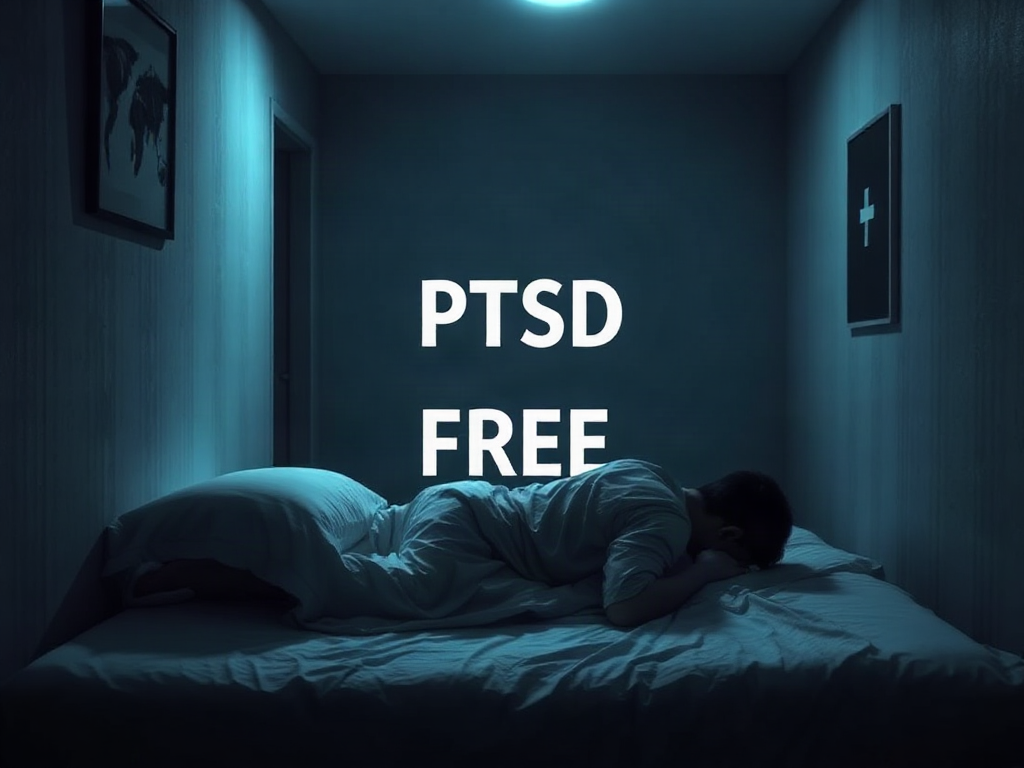
PTSD nightmares differ from ordinary bad dreams mainly through their connection to trauma, repeated threat themes, intense physical arousal, and lasting effects on sleep and daytime functioning. A nightmare does not need to replay an event exactly to be trauma-related; it may reproduce the same fear, helplessness, danger, or loss of control. Ordinary bad dreams are more often occasional, vary in content, and fade after waking without persistent avoidance or impairment. Frequency alone cannot establish the difference.
How Do the Two Dream Patterns Differ?
The distinction rests less on whether a dream is frightening and more on how it relates to trauma, waking symptoms, and repeated disruption. An ordinary bad dream may involve being chased, missing an important event, losing something valuable, or facing an invented danger. It can cause a startled awakening, but the distress commonly decreases as the person recognizes that the event was a dream.
A trauma-related nightmare may replay all or part of an event, yet literal repetition is not required. The dream might instead preserve the emotional structure of the trauma: being trapped, unable to call for help, watched, overpowered, or responsible for preventing disaster. The people and setting may change while the underlying experience of danger or helplessness remains recognizable. Someone injured in a collision, for example, might dream about failing brakes rather than the actual crash.
Physical reactions can occur after either type of dream, including sweating, a rapid heartbeat, crying, or temporary confusion. With a PTSD-related pattern, those reactions may be especially intense or may connect with other trauma symptoms after waking. A sound, smell, body position, anniversary, stressful interaction, or media image can sometimes activate the same threat network associated with the trauma. The person may then remain alert for danger even after confirming that the bedroom is safe.
| Feature | Ordinary Bad Dream | Possible Trauma-Related Nightmare |
|---|---|---|
| Content | Often varied or unrelated to a known event | May replay trauma or repeat its threat, helplessness, or loss of control |
| Pattern | Usually occasional | May recur around similar themes or triggers |
| After waking | Distress often settles relatively quickly | Arousal, fear, disorientation, or vigilance may persist |
| Daytime effect | Limited or temporary | May contribute to fatigue, avoidance, irritability, or intrusive memories |
No single row proves that a nightmare is caused by PTSD. Recurring dreams can also accompany acute stress, anxiety, grief, medication effects, substance use, sleep disorders, or other health concerns. The practical priority is to examine the whole pattern rather than deciding that vivid content alone confirms a diagnosis.
What Signs Suggest a Nightmare Is Trauma-Related?
A nightmare becomes more clinically concerning when it forms part of a broader pattern of trauma-linked distress. Relevant clues include repeated threat themes, strong reactions to reminders, avoiding sleep, and noticeable impairment the next day. These clues deserve attention even when the dream does not resemble a factual recording of what happened.
The waking period often provides more useful information than dream symbolism. A person may awaken feeling as though the danger is still present, check doors or windows repeatedly, struggle to recognize the room, or need substantial time to calm down. Others become reluctant to return to sleep because they expect the dream to resume. That avoidance can shorten sleep and increase exhaustion, which may make emotional regulation and concentration harder the following day.
Consider two people who both dream about being pursued. The first had an unusually stressful week, wakes frightened once, and returns to normal sleep. The second has a history of assault, repeatedly dreams of being cornered, wakes with intense bodily alarm, avoids the room where the trauma occurred, and feels on edge the next day. The shared dream image does not carry the same meaning; the second pattern has a clearer relationship to trauma reminders and functional disruption.
Signs worth documenting include:
- recurring emotions, situations, sensory details, or endings linked to the trauma;
- panic-like arousal, freezing, defensive movement, or prolonged disorientation after waking;
- delaying bedtime, sleeping with lights on, or using alcohol or other substances to avoid dreaming;
- worsening irritability, attention problems, daytime sleepiness, or intrusive recollections;
- a pattern that intensifies after reminders, anniversaries, conflict, or renewed stress.
A common mistake is treating dream content as a diagnostic test. Dream interpretation cannot determine whether someone has PTSD, and the absence of an exact replay does not rule trauma-related nightmares out. PTSD assessment considers exposure history and a wider set of symptoms, including intrusion, avoidance, changes in mood or thinking, heightened arousal, duration, and impairment. A qualified mental health professional can evaluate those elements without requiring the person to force a neat explanation for every dream image.
How Can You Track the Pattern Without Self-Diagnosing?
A brief sleep record can reveal timing, triggers, and consequences without turning every disturbing dream into evidence of a disorder. The aim is to collect observations that support better decisions, not to produce a personal diagnosis or a detailed written reconstruction of the trauma.
Record only what is useful and tolerable. After waking—or later in the morning if immediate writing feels activating—note the approximate bedtime, awakenings, general dream theme, intensity on a simple scale, time needed to feel oriented, and next-day effect. Also record likely influences such as illness, pain, a medication change, alcohol, cannabis, withdrawal, an upsetting reminder, or an irregular sleep schedule. Medication changes should be discussed with the prescribing clinician rather than reversed independently.
For example, a person might initially report “nightmares every night.” Two weeks of notes could show that the episodes cluster after late alcohol use and contact with a particular trauma reminder. Another record might reveal several frightening awakenings without clear dream recall, loud snoring, or gasping. Those patterns point toward different questions for a clinician and show why labeling every nighttime event as a PTSD nightmare can obscure other explanations.
A compact review process is usually enough:
- Check recurrence: Look for repeated emotional or sensory themes rather than demanding an exact replay.
- Check context: Note trauma reminders, stress, substances, medication changes, pain, and schedule disruption.
- Check recovery: Estimate how long fear, confusion, or alertness lasts after waking.
- Check impairment: Identify sleep avoidance, missed obligations, unsafe drowsiness, or strained relationships.
- Review the trend: Bring a short summary to a healthcare professional if episodes persist or interfere with life.
Tracking is failing if it increases rumination, encourages repeated exposure to disturbing details, or becomes a nightly test of whether sleep will go badly. In that case, reduce the record to checkboxes, ask a trusted clinician how much information is useful, or pause it. Progress does not require remembering every image. More stable sleep, less bedtime avoidance, faster reorientation after waking, and better daytime function are often more meaningful measures than whether all bad dreams disappear.
When Do Nightmares Need Professional Attention?
Professional assessment is appropriate when nightmares persist, cause marked distress, lead to sleep avoidance, or interfere with safety and daily functioning. Earlier help may be warranted when the episodes occur alongside intrusive memories, severe anxiety, depression, substance misuse, or other symptoms connected to a traumatic event.
The first useful step may be a primary care appointment, a trauma-informed mental health assessment, or a sleep evaluation, depending on the pattern. A clinician can review when the episodes began, whether they followed trauma, current medications and substances, other PTSD symptoms, and possible sleep conditions. Reports of gasping, loud snoring, unusual movements, injuries during sleep, or confusion without remembered dreams may justify consideration of problems beyond nightmares.
Treatment planning should match the full presentation rather than the dream alone. A mental health clinician may discuss trauma-focused psychotherapy when nightmares occur within PTSD. Some clinicians also use nightmare-focused approaches, such as imagery rehearsal, in which a recurring dream is rewritten with a less threatening course and rehearsed while awake. Insomnia-focused care may be relevant when fear of sleep and an unstable schedule continue even as nightmare intensity changes. Medication may be considered in some circumstances, but expected benefits, side effects, other conditions, and interactions require individualized review with a prescriber.
Trying to manage the problem solely by suppressing dreams often backfires. Alcohol, non-prescribed sedatives, or staying awake until exhaustion may seem to reduce immediate exposure to nightmares, yet they can disrupt sleep, create additional risks, and make the underlying pattern harder to assess. Generic relaxation exercises may lower pre-sleep arousal for some people, but they are not a substitute for evaluating persistent trauma symptoms or another sleep disorder.
Seek urgent assistance if a nightmare episode is accompanied by an immediate risk of self-harm, harm to someone else, dangerous behavior while not fully awake, or an inability to regain basic safety. Contact local emergency services or an appropriate crisis service in the person’s location. For non-urgent care, bring a concise symptom timeline and a medication list. Useful signs that a care plan is helping include fewer avoided bedtimes, reduced post-awakening alarm, more consistent sleep, and improved daytime functioning—not merely a single dream-free night.
Frequently Asked Questions
Can an ordinary bad dream feel physically intense?
Yes. Sweating, a racing heart, crying, or a startled awakening can occur after any frightening dream. The broader pattern—trauma connection, recurrence, prolonged arousal, avoidance, and daytime impairment—is more informative than intensity alone.
Must a PTSD nightmare replay the traumatic event exactly?
No. It may reproduce the event, fragments of it, or the same emotional experience of danger, helplessness, entrapment, or lost control in a different setting.
Does having recurring nightmares mean someone has PTSD?
No. Recurring nightmares have several possible explanations. PTSD diagnosis requires assessment of trauma exposure, multiple symptom groups, duration, and functional impact rather than dream frequency alone.
Should someone write down every detail of a nightmare?
Not necessarily. A short record of timing, theme, triggers, recovery time, and next-day effects is often sufficient. Stop or simplify tracking if detailed writing increases distress or rumination.
Who can evaluate persistent trauma-related nightmares?
A trauma-informed mental health professional can assess PTSD symptoms, while a primary care or sleep clinician can help investigate medication effects, substance-related factors, and possible sleep disorders.
Conclusion
The most useful distinction comes from the pattern surrounding the dream: its relationship to trauma, recurring emotional themes, the body’s response after waking, sleep avoidance, and effects during the day. A vivid or frightening dream by itself cannot establish PTSD, while a dream that changes settings or characters may still reflect trauma-linked threat.
Start by observing recurrence, likely triggers, recovery time, and functional impact without forcing a symbolic interpretation. Review medication changes, substance use, and signs of another sleep problem with an appropriate clinician rather than assuming trauma is the only explanation. Persistent disruption, escalating avoidance, or associated PTSD symptoms merits professional assessment. Immediate safety concerns require urgent local help. The practical goal is not simply to count dream-free nights, but to restore safer sleep, quicker reorientation, and steadier daytime functioning.