
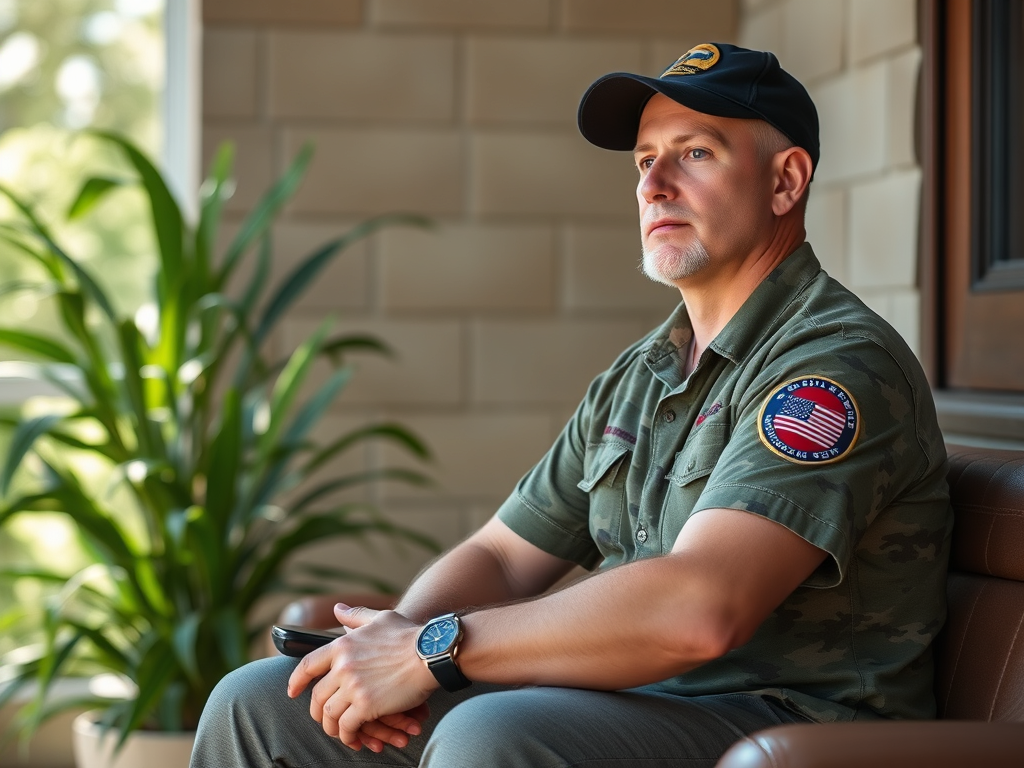
Prioritizing self-care for veterans with PTSD is crucial for effective recovery and emotional well-being. Key strategies include establishing regular routines, engaging in physical activities, and seeking social support. Additionally, veterans should explore mindfulness practices and therapeutic interventions that promote relaxation. By focusing on these techniques, veterans can improve their mental health and create a supportive environment for healing.
Understanding the Importance of Self-Care
Self-care is essential for veterans with PTSD as it helps manage symptoms and promotes overall well-being. Engaging in self-care allows veterans to take control of their mental health, reduce stress, and enhance their resilience. PTSD can lead to feelings of isolation, anxiety, and depression, making self-care practices vital in combating these effects. By prioritizing self-care, veterans can develop coping mechanisms that aid in their recovery journey.
One common misconception is that self-care is selfish or indulgent. In reality, self-care is a necessary component of mental health maintenance. It involves recognizing personal needs and making choices that foster emotional, physical, and mental health. Veterans who prioritize self-care can experience improved mood and reduced symptoms of PTSD, leading to a more fulfilling life.
Understanding the Importance of Self-Care matters because it turns prioritizing self-care for veterans with PTSD from a broad idea into a decision the reader can actually apply. The practical difference usually shows up in the details: how much is needed, when the choice is made, what tradeoff is acceptable, and what sign shows the approach is working. For technology topics, the strongest advice connects the user goal, system constraint, maintenance burden, and measurable outcome.
A useful way to handle this section is to compare the normal baseline with the situation that creates extra demand. If self-care is the baseline concern, then veterans becomes the adjustment point and ptsd becomes the outcome to watch. That keeps the advice specific without forcing the reader into a rigid formula that may not fit their routine, budget, tolerance, schedule, or current level of experience.
The most common mistake is changing too many variables at once. A better approach is to choose one measurable adjustment, use it consistently long enough to see a pattern, and then refine the next step based on energy, comfort, performance, safety, or reliability. This makes the guidance easier to trust because the reader can connect the recommendation to what they observe rather than guessing from a generic checklist.
The practical takeaway is to make the section actionable: identify the main constraint, choose the smallest useful change, and compare the result against the goal. When the outcome improves, the reader can keep the approach. When it does not, the next change should target the most likely bottleneck rather than repeating the same step with more effort.
Practical Self-Care Strategies
Implementing practical self-care strategies can significantly impact a veteran’s mental health. Regular routines are crucial, as they provide structure and predictability. Simple actions like waking up at the same time each day, eating balanced meals, and setting aside time for relaxation can create a sense of normalcy and stability.
Physical activity is another essential component of self-care. Exercise releases endorphins, which can enhance mood and alleviate stress. Veterans should aim for at least 30 minutes of moderate exercise most days of the week. Activities such as walking, swimming, or joining a fitness class can be beneficial. Additionally, veterans should consider engaging in hobbies that bring them joy, whether it’s gardening, painting, or playing a musical instrument.
Nutrition also plays a significant role in mental health. A balanced diet rich in fruits, vegetables, lean proteins, and whole grains can improve mood and energy levels. Veterans should be mindful of their dietary choices, as excessive alcohol or processed foods can exacerbate symptoms of PTSD.
Practical Self-Care Strategies matters because it turns prioritizing self-care for veterans with PTSD from a broad idea into a decision the reader can actually apply. The practical difference usually shows up in the details: how much is needed, when the choice is made, what tradeoff is acceptable, and what sign shows the approach is working. For nutrition topics, the strongest advice connects portion size, food quality, timing, and recovery instead of treating every meal as a fixed serving.
A useful way to handle this section is to compare the normal baseline with the situation that creates extra demand. If self-care is the baseline concern, then veterans becomes the adjustment point and ptsd becomes the outcome to watch. That keeps the advice specific without forcing the reader into a rigid formula that may not fit their routine, budget, tolerance, schedule, or current level of experience.
The most common mistake is changing too many variables at once. A better approach is to choose one measurable adjustment, use it consistently long enough to see a pattern, and then refine the next step based on energy, comfort, performance, safety, or reliability. This makes the guidance easier to trust because the reader can connect the recommendation to what they observe rather than guessing from a generic checklist.
The practical takeaway is to make the section actionable: identify the main constraint, choose the smallest useful change, and compare the result against the goal. When the outcome improves, the reader can keep the approach. When it does not, the next change should target the most likely bottleneck rather than repeating the same step with more effort.
Mindfulness and Relaxation Techniques
Mindfulness practices and relaxation techniques can help veterans manage PTSD symptoms effectively. Mindfulness involves being present in the moment and acknowledging thoughts and feelings without judgment. This practice can reduce anxiety and promote a sense of calm. Veterans can incorporate mindfulness into their daily routine through meditation, deep breathing exercises, or yoga.
Deep breathing exercises are particularly effective in reducing stress and anxiety. Veterans can practice deep breathing by inhaling slowly through the nose, holding the breath for a few seconds, and exhaling slowly through the mouth. This technique can be performed anywhere and at any time, making it a practical tool for managing overwhelming emotions.
Additionally, engaging in relaxation techniques such as progressive muscle relaxation can help veterans release tension. This practice involves tensing and relaxing different muscle groups in the body, promoting physical relaxation and mental clarity.
Mindfulness and Relaxation Techniques matters because it turns prioritizing self-care for veterans with PTSD from a broad idea into a decision the reader can actually apply. The practical difference usually shows up in the details: how much is needed, when the choice is made, what tradeoff is acceptable, and what sign shows the approach is working. For nutrition topics, the strongest advice connects portion size, food quality, timing, and recovery instead of treating every meal as a fixed serving.
A useful way to handle this section is to compare the normal baseline with the situation that creates extra demand. If veterans is the baseline concern, then relaxation becomes the adjustment point and techniques becomes the outcome to watch. That keeps the advice specific without forcing the reader into a rigid formula that may not fit their routine, budget, tolerance, schedule, or current level of experience.
Building a Supportive Community
Creating a supportive community is vital for veterans coping with PTSD. Social support can reduce feelings of isolation and provide a network of understanding individuals. Veterans should actively seek connections with friends, family, or support groups where they can share their experiences and feelings.
Support groups specifically for veterans can offer a safe space to discuss challenges and strategies for coping with PTSD. These groups foster camaraderie and understanding, as members often share similar experiences. Participating in community activities or volunteering can also help veterans feel more connected and valued.
It’s essential for veterans to communicate their needs to their loved ones. Open dialogue can help friends and family understand the best ways to provide support and encouragement. This connection can be a powerful aspect of the healing process.
Building a Supportive Community matters because it turns prioritizing self-care for veterans with PTSD from a broad idea into a decision the reader can actually apply. The practical difference usually shows up in the details: how much is needed, when the choice is made, what tradeoff is acceptable, and what sign shows the approach is working. For pet topics, the strongest advice connects behavior, environment, consistency, health, and the animal’s response over time.
A useful way to handle this section is to compare the normal baseline with the situation that creates extra demand. If veterans is the baseline concern, then ptsd becomes the adjustment point and support becomes the outcome to watch. That keeps the advice specific without forcing the reader into a rigid formula that may not fit their routine, budget, tolerance, schedule, or current level of experience.
The most common mistake is changing too many variables at once. A better approach is to choose one measurable adjustment, use it consistently long enough to see a pattern, and then refine the next step based on energy, comfort, performance, safety, or reliability. This makes the guidance easier to trust because the reader can connect the recommendation to what they observe rather than guessing from a generic checklist.
Popular Questions
What is the fastest way to improve Table of Contents without making beginner mistakes?
The fastest way to improve Table of Contents is to simplify the process and control one variable at a time. Start with the most important baseline: define the goal, identify the main failure point, and test one change before making another. Keep short notes so you can connect the outcome to the adjustment you made. This prevents guesswork and helps you build a repeatable method instead of chasing random fixes.
What should you check first when Table of Contents is not working well?
Check the most immediate bottlenecks first: setup errors, missing inputs, bad timing, or inconsistent follow-through. Before buying anything new or changing the whole system, confirm that the basics are being done correctly and consistently. A small diagnostic checklist usually reveals the real problem faster than broad trial and error. Once the weak point is clear, make one correction and watch the result before adjusting anything else.
What common mistakes make Table of Contents harder than it needs to be?
The most common mistakes are changing too many variables at once, skipping the basics, and judging results too quickly. Many people also copy generic advice without adapting it to their exact situation, which leads to weak results and confusion. A better approach is to work from a simple baseline, make measured changes, and give each change enough time to show whether it helped. That makes progress easier to track and repeat.