
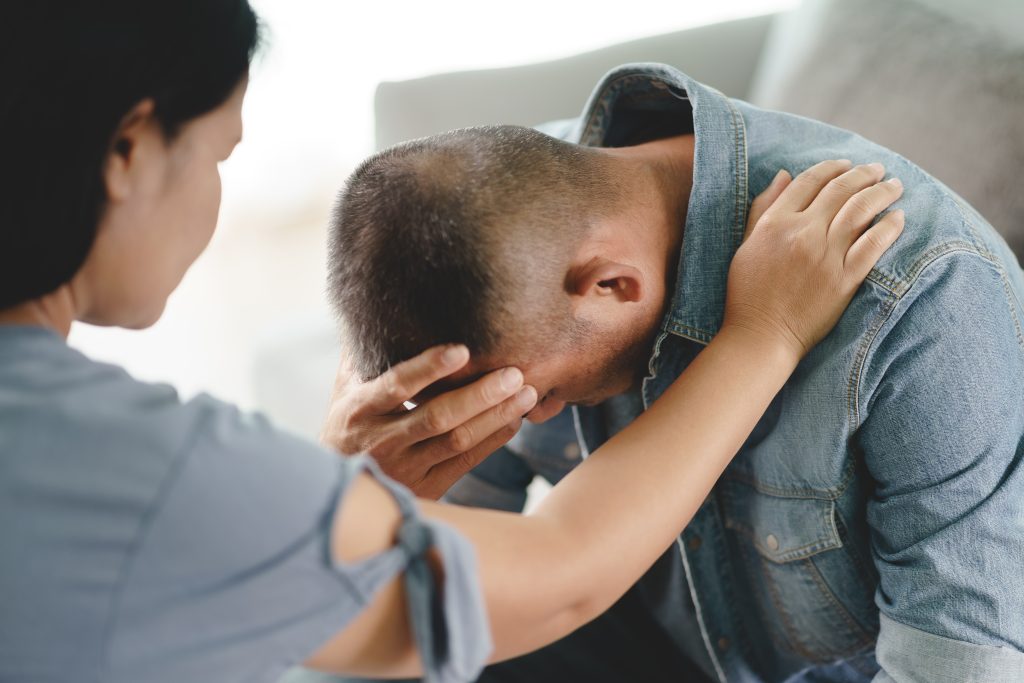
Understanding the importance of holistic management for PTSD is crucial. Many individuals seek alternatives due to the side effects of medications or a desire for more personalized care. Natural remedies can empower individuals to take control of their healing process. However, it is essential to approach these remedies with realistic expectations and an understanding of potential limitations. For example, while herbal treatments can be beneficial, they are not a substitute for professional medical advice or treatment.
A common mistake individuals make is relying solely on natural remedies without consulting healthcare professionals. It is vital to discuss any new treatments with a doctor, especially when combining them with existing therapies. Effective management of PTSD often requires a multifaceted approach, integrating both natural and conventional methods tailored to individual needs.
Herbal Remedies for PTSD
Herbal remedies have been used for centuries to support mental health. Specific herbs, such as chamomile, valerian root, and passionflower, are known for their calming properties and can help reduce anxiety and promote sleep. Chamomile tea, for instance, is often consumed to soothe nerves and improve sleep quality.
When considering herbal remedies, it’s essential to understand their effects and potential interactions with other medications. Many people overlook the importance of consulting a healthcare provider before starting any herbal regimen. This step ensures safety and effectiveness, as some herbs can interact with prescription medications or exacerbate certain conditions.
Additionally, sourcing high-quality herbal products is crucial. Not all supplements are created equal, and choosing reputable brands can make a significant difference in efficacy. Individuals should prioritize transparency in labeling and seek products with third-party testing for purity.
Mindfulness and Relaxation Techniques
Mindfulness practices, including meditation and yoga, can significantly aid in managing PTSD symptoms. These techniques foster a sense of presence and can help individuals detach from distressing memories and feelings. Regular practice of mindfulness can improve emotional regulation and reduce anxiety levels.
Many individuals underestimate the time and commitment required to see the benefits of mindfulness practices. It is not uncommon for beginners to feel discouraged if they do not experience immediate results. Setting realistic goals and integrating short, consistent sessions into daily routines can help build a sustainable practice that leads to gradual improvement.
Furthermore, exploring various mindfulness techniques is essential. Not every method will resonate with everyone. Individuals should experiment with different forms, such as guided meditations or breathwork, to find what works best for their unique needs.
Lifestyle Changes to Support Recovery
Incorporating lifestyle changes can enhance the effectiveness of natural remedies for PTSD. Regular exercise, a balanced diet, and adequate sleep are foundational elements that support mental health. Physical activity releases endorphins, which can boost mood and reduce stress levels.
However, many people find it challenging to maintain a consistent routine, especially during difficult times. Setting small, achievable goals for exercise and meal planning can help individuals stay on track. For example, starting with short walks or simple meal prep can create a sense of accomplishment and promote healthier habits.
Additionally, social support plays a critical role in recovery. Building a network of supportive friends or joining community groups can provide encouragement and reduce feelings of isolation. Engaging with others who understand PTSD can foster a sense of belonging and shared experience.
Further Reading
Authoritative Sources
- MedlinePlus
medlineplus.govConsumer-friendly medical and health information from the U.S. National Library of Medicine.
- National Institutes of Health
nih.govResearch-based health information and links to authoritative medical resources.
- Centers for Disease Control and Prevention
cdc.govOfficial public health guidance, prevention resources, and topic-specific recommendations.
- Mayo Clinic
mayoclinic.orgTrusted clinical guidance, symptom explainers, and treatment overviews.
- World Health Organization
who.intGlobal health guidance, fact sheets, and evidence-based public health information.
Frequently Asked Questions
What are some common natural remedies for PTSD?
Common natural remedies include herbal treatments like chamomile and valerian root, mindfulness practices such as meditation and yoga, and lifestyle changes like regular exercise and a balanced diet.
How effective are herbal remedies for PTSD?
Herbal remedies can be effective in managing symptoms such as anxiety and insomnia, but they should be used in conjunction with professional medical advice for optimal results.
Can mindfulness techniques help with PTSD?
Yes, mindfulness techniques can help individuals manage PTSD symptoms by promoting relaxation, emotional regulation, and a sense of presence.
What lifestyle changes can support PTSD recovery?
Lifestyle changes such as regular exercise, a healthy diet, and maintaining a consistent sleep schedule can significantly support PTSD recovery.
Should I consult a doctor before trying natural remedies?
Yes, it’s essential to consult a healthcare provider before starting any natural remedies to ensure safety and avoid potential interactions with other medications.
Conclusion
Incorporating natural remedies for PTSD relief can provide valuable support alongside traditional treatments. By understanding the role of herbal remedies, mindfulness techniques, and lifestyle changes, individuals can enhance their healing journey. It’s crucial to approach these remedies with informed judgment, set realistic expectations, and maintain open communication with healthcare providers. Prioritizing a holistic approach can lead to improved mental well-being and a more balanced life.