
Understanding the effectiveness of holistic therapies is crucial for individuals seeking relief from PTSD. Each method targets different aspects of trauma and stress, allowing for a personalized healing experience. However, it’s essential to approach these therapies with realistic expectations and an awareness of potential challenges, such as finding qualified practitioners or managing the costs associated with various treatments.
One common mistake is assuming that holistic methods can replace traditional therapies entirely. Instead, these approaches should be viewed as complementary to conventional treatments, enhancing their effectiveness and providing a more rounded healing journey. Prioritizing a balanced approach that incorporates both holistic and traditional methods can yield the best results for those affected by PTSD.
Mindfulness and Meditation Techniques
Mindfulness and meditation are central to holistic healing for PTSD. These practices help individuals cultivate awareness and presence, reducing anxiety and enhancing emotional regulation. Regular mindfulness practice can lead to significant reductions in PTSD symptoms, making it an essential tool in recovery.
Incorporating mindfulness into daily life can be as simple as setting aside a few minutes each day for meditation or practicing deep-breathing exercises. However, many individuals struggle with consistency or may feel overwhelmed by the process. Starting with guided meditations or mindfulness apps can ease the transition into these practices.
It’s crucial to recognize that mindfulness is not a quick fix; it requires dedication and patience. Individuals should aim to prioritize their practice and be gentle with themselves as they learn. Over time, the cumulative benefits of mindfulness can profoundly impact one’s emotional health and overall well-being.
Physical Wellness: Nutrition and Exercise
Nutrition and physical activity play vital roles in managing PTSD symptoms. A balanced diet rich in whole foods can support brain health and emotional well-being. Omega-3 fatty acids, antioxidants, and vitamins are particularly beneficial in reducing inflammation and improving mood.
Exercise, on the other hand, releases endorphins, which help alleviate stress and improve overall mental health. Regular physical activity can also enhance sleep quality, a common issue for those suffering from PTSD. However, individuals might find it challenging to maintain a consistent exercise routine, especially during periods of heightened anxiety.
To overcome these barriers, setting realistic goals and finding enjoyable forms of exercise is essential. Whether it’s walking, dancing, or joining a group fitness class, the key is to stay active in a way that feels sustainable. Prioritizing nutrition and exercise can significantly contribute to a holistic recovery from PTSD.
Therapeutic Practices: Yoga and Acupuncture
Yoga and acupuncture are powerful therapeutic practices that can significantly aid in PTSD healing. Yoga combines physical postures, breathing techniques, and meditation, fostering a deep connection between the body and mind. Research shows that regular yoga practice can reduce anxiety and improve emotional resilience.
Acupuncture, a traditional Chinese medicine technique, involves inserting fine needles into specific points on the body to promote energy flow and alleviate symptoms of stress and anxiety. Many individuals report feeling a sense of calm and relaxation following acupuncture sessions, making it a valuable addition to a holistic approach.
However, it’s essential to find qualified instructors and practitioners to ensure safety and effectiveness. Individuals should seek out certified yoga instructors or licensed acupuncturists to maximize the benefits of these therapies. Incorporating these practices into a regular routine can enhance overall healing and well-being.
Social Support and Community Involvement
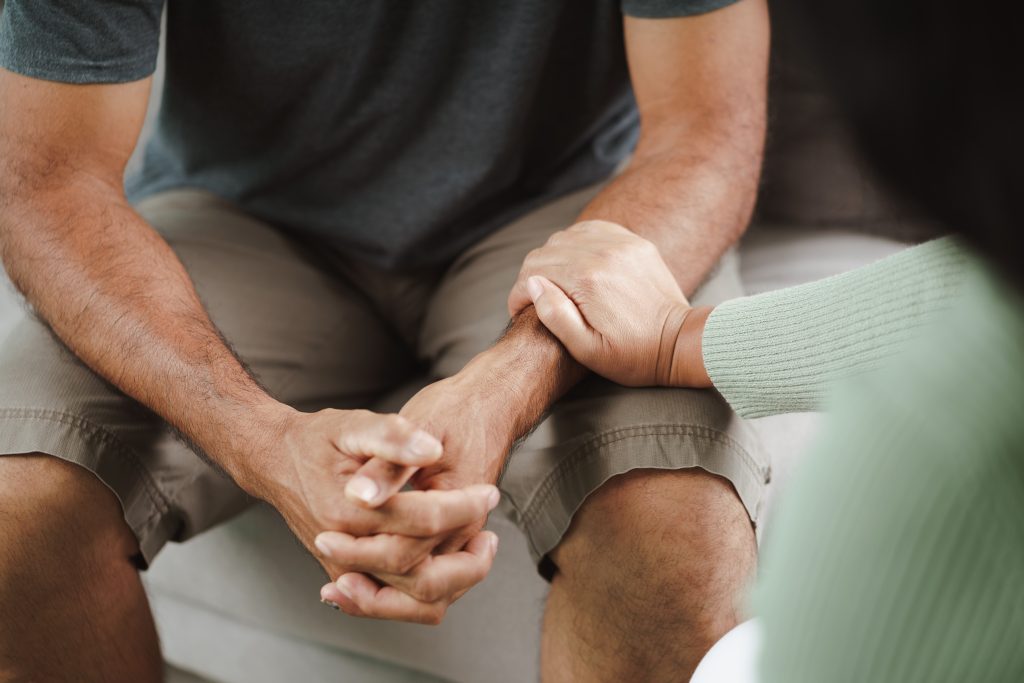
Social support is a critical component of healing from PTSD. Engaging with support groups or community organizations can provide a sense of belonging and reduce feelings of isolation. Sharing experiences with others who understand can foster healing and resilience.
However, many individuals may hesitate to seek support due to stigma or fear of judgment. It’s important to recognize that reaching out for help is a sign of strength. Finding the right community, whether through local organizations or online platforms, can make a significant difference in one’s recovery journey.
Prioritizing connections with others and participating in community activities can enhance emotional well-being. Building a support network can help individuals navigate the challenges of PTSD and promote healing through shared experiences and understanding.
Further Reading
Authoritative Sources
- Mindfulness-Based Interventions for PTSD
ncbi.nlm.nih.govThis article reviews the effectiveness of mindfulness practices in treating PTSD symptoms
- The Role of Nutrition in Mental Health
ncbi.nlm.nih.govA comprehensive look at how diet influences mental health, including PTSD recovery
- Yoga as a Therapeutic Intervention for PTSD
ncbi.nlm.nih.govThis study explores the benefits of yoga for individuals with PTSD
- Acupuncture Today
acupuncturetoday.comA resource for understanding acupuncture’s role in treating PTSD and other mental health issues
Frequently Asked Questions
What are holistic approaches to PTSD healing?
Holistic approaches to PTSD healing include therapies that address emotional, physical, and spiritual well-being, such as mindfulness, yoga, acupuncture, and nutrition.
How effective is mindfulness for PTSD?
Mindfulness has been shown to significantly reduce PTSD symptoms by enhancing emotional regulation and reducing anxiety.
Can nutrition impact PTSD recovery?
Yes, a balanced diet can improve brain health and emotional well-being, which are crucial for effective PTSD recovery.
Is yoga beneficial for PTSD?
Yoga combines physical movement and mindfulness, which can help reduce anxiety and improve emotional resilience in those with PTSD.
How can I find support for PTSD?
Joining support groups or community organizations can provide valuable social support and reduce feelings of isolation for individuals with PTSD.
Conclusion
Incorporating holistic approaches into PTSD healing can significantly enhance recovery outcomes. By embracing practices such as mindfulness, nutrition, yoga, and community support, individuals can create a well-rounded strategy that addresses the multifaceted nature of PTSD. Prioritizing these methods alongside traditional therapies can lead to improved emotional health and resilience. For those navigating their healing journey, taking proactive steps toward holistic well-being is essential for lasting recovery.