
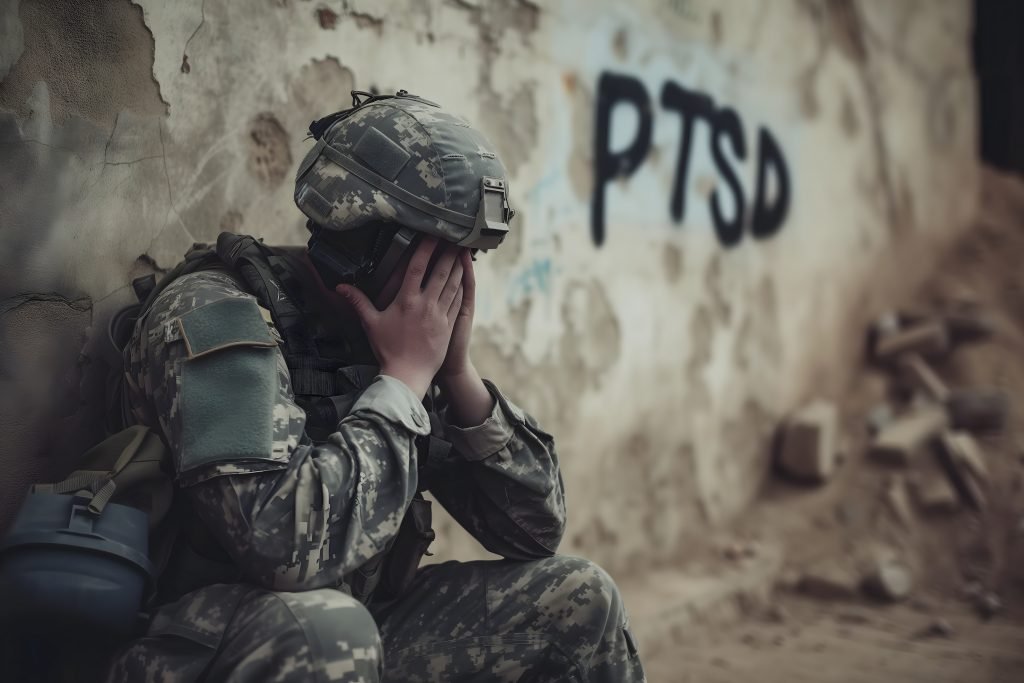
Understanding how trauma impacts sleep is essential for both individuals and healthcare providers. Trauma can manifest in various ways, including emotional distress and physiological responses that hinder the ability to relax. Common sleep-related issues include difficulty falling asleep, frequent awakenings, and nightmares, all of which can contribute to a cycle of poor sleep and heightened anxiety. Recognizing these symptoms allows for the development of targeted interventions.
Moreover, many individuals underestimate the connection between trauma and sleep disturbances. It is not uncommon for those affected to feel ashamed or reluctant to seek help, mistakenly believing that their struggles are isolated. Awareness of the pervasive effects of trauma on sleep can encourage individuals to pursue appropriate therapies and lifestyle changes.
The Science Behind Trauma and Sleep
Trauma affects the brain’s ability to regulate sleep, primarily through the impact on the hypothalamic-pituitary-adrenal (HPA) axis. This system governs the body’s stress response, and when it becomes dysregulated due to traumatic experiences, it can lead to heightened arousal and anxiety, making it challenging to achieve restful sleep. Moreover, trauma can alter the brain’s neurotransmitter levels, further complicating sleep regulation.
Individuals with trauma often experience a fight-or-flight response that keeps them in a heightened state of alertness, making relaxation nearly impossible. This persistent state can lead to chronic sleep deprivation, which in turn exacerbates the symptoms of trauma. Understanding this cycle is crucial for developing effective interventions that address both trauma and sleep issues.
Additionally, many may not recognize the biological and psychological interplay at work. Misunderstandings about how trauma impacts sleep can lead to ineffective coping strategies, such as relying on sleep medications without addressing the underlying trauma. A comprehensive approach that considers both mental health and sleep health is essential.
Common Sleep Disorders Associated with Trauma
Several sleep disorders are frequently linked to trauma, including post-traumatic stress disorder (PTSD), insomnia, and nightmare disorder. PTSD is characterized by intrusive memories, hyperarousal, and avoidance behaviors, which can severely disrupt sleep quality. Insomnia often manifests as difficulty falling asleep or staying asleep, while nightmare disorder involves recurrent distressing dreams related to the traumatic experience.
These disorders not only affect the individual’s sleep quality but also have significant implications for physical health, emotional regulation, and overall quality of life. Individuals suffering from these conditions may find themselves trapped in a cycle where poor sleep exacerbates their trauma symptoms, leading to further sleep disturbances.
Understanding the specific nature of these disorders is vital for effective treatment. Many individuals may dismiss their sleep issues as normal, failing to seek help that could significantly improve their quality of life. Recognizing the link between trauma and these disorders can empower individuals to seek appropriate interventions.
Effective Interventions for Improving Sleep
Addressing sleep disturbances caused by trauma often requires a multifaceted approach. Cognitive-behavioral therapy for insomnia (CBT-I) has been shown to be effective in treating sleep issues, helping individuals identify and change unhelpful thoughts and behaviors surrounding sleep. Additionally, trauma-focused therapies, such as Eye Movement Desensitization and Reprocessing (EMDR) or prolonged exposure therapy, can help individuals process and integrate their traumatic experiences.
Pharmacological interventions may also be considered, particularly in severe cases where other methods have not been effective. However, reliance on medication should be carefully managed to avoid dependency and should ideally be combined with therapeutic approaches that address the root causes of trauma.
It is essential to tailor these interventions to the individual’s specific needs and circumstances. A one-size-fits-all approach often leads to suboptimal outcomes, as each person’s experience with trauma and sleep is unique. Collaborating with healthcare providers to develop a personalized treatment plan can significantly enhance the chances of recovery.
Lifestyle Changes to Support Better Sleep
In addition to therapeutic interventions, several lifestyle changes can support better sleep for those affected by trauma. Establishing a consistent sleep schedule, creating a calming bedtime routine, and optimizing the sleep environment can all contribute to improved sleep quality. Limiting caffeine and screen time before bed is also advisable, as these can interfere with the body’s natural sleep-wake cycle.
Physical activity has been shown to improve sleep quality, so incorporating regular exercise can be beneficial. However, it is important to time workouts appropriately, as exercising too close to bedtime may have the opposite effect. Mindfulness practices, such as meditation and yoga, can also help reduce anxiety and promote relaxation, making it easier to fall asleep.
Readers should prioritize these lifestyle changes alongside therapeutic interventions. While they may seem simple, their cumulative effect can be powerful in restoring healthy sleep patterns. Engaging in self-care and recognizing the importance of sleep can lead to significant improvements in overall well-being.
Further Reading
Authoritative Sources
- American Psychological Association: Trauma
apa.orgThis resource offers insights into the psychological effects of trauma and supports understanding its impact on overall health
- National Institutes of Health: Sleep Disorders
ncbi.nlm.nih.govnih.govA comprehensive overview of various sleep disorders, including those associated with trauma, and potential treatments
- Cognitive Behavioral Therapy for Insomnia
ncbi.nlm.nih.govnih.govThis article details the effectiveness of CBT-I in treating insomnia, particularly in individuals with trauma histories
- EMDR Institute
emdr.comInformation about EMDR therapy, a recognized treatment for processing trauma
Frequently Asked Questions
What is the link between trauma and sleep disturbances?
Trauma can disrupt the brain’s ability to regulate sleep, leading to insomnia, nightmares, and altered sleep cycles due to heightened anxiety and hyperarousal.
How can therapy help improve sleep affected by trauma?
Therapies such as cognitive-behavioral therapy for insomnia (CBT-I) and trauma-focused therapies can help individuals process trauma and develop healthier sleep patterns.
Are there lifestyle changes that can improve sleep?
Yes, establishing a consistent sleep schedule, creating a calming bedtime routine, and incorporating regular exercise can significantly enhance sleep quality.
What are common sleep disorders associated with trauma?
Common disorders include PTSD, insomnia, and nightmare disorder, each affecting sleep quality and overall health.
Can medication be used to treat sleep disturbances from trauma?
Medications may be prescribed in severe cases but should be used cautiously and in conjunction with therapeutic approaches to address the underlying issues.
Conclusion
Trauma’s impact on sleep patterns is profound and multifaceted, affecting not just the quality of sleep but overall health and well-being. Recognizing the symptoms and understanding the underlying mechanisms are crucial steps toward effective treatment. A combination of therapeutic interventions and lifestyle changes can significantly improve sleep quality for those affected. Individuals should prioritize seeking help and making informed choices to foster better sleep and recovery. Taking proactive steps can pave the way for healing and improved daily functioning.