
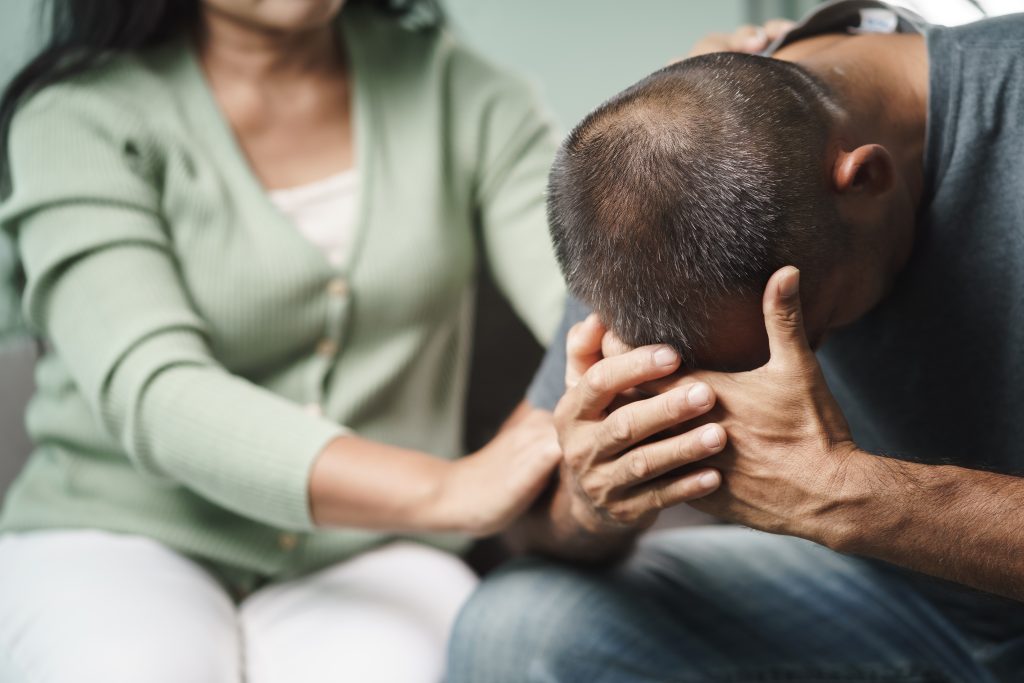
Many individuals facing PTSD often fall into common pitfalls when seeking relief. They might rely solely on medication without exploring holistic options or assume that their anxiety will simply pass. This misconception can lead to prolonged distress. It’s essential to recognize that while medications can help, they are most effective when combined with behavioral strategies tailored to your unique experiences.
Understanding Grounding Techniques
Grounding techniques are powerful tools for bringing your focus back to the present moment. They help you detach from distressing thoughts and reconnect with your surroundings. Techniques such as the 5-4-3-2-1 method—where you identify five things you can see, four you can touch, three you can hear, two you can smell, and one you can taste—can be particularly effective. This method not only distracts your mind but also anchors you in reality.
It’s crucial to practice these techniques regularly, even when you’re not feeling anxious. This builds familiarity and makes it easier to employ them during moments of distress. Many people overlook the importance of preparation; being proactive in your approach can make all the difference when anxiety strikes.
Deep Breathing for Immediate Relief
Deep breathing is another immediate strategy to alleviate anxiety symptoms. By focusing on your breath, you can activate your body’s relaxation response. Techniques such as diaphragmatic breathing, where you breathe deeply into your abdomen rather than your chest, can significantly reduce feelings of panic.
When practicing deep breathing, aim for a ratio of inhaling for a count of four, holding for four, and exhaling for a count of four. This not only calms your nervous system but also helps you regain control over your thoughts. Many individuals underestimate the power of their breath; integrating this simple practice into your daily routine can yield long-term benefits.
Mindfulness and Its Benefits
Mindfulness involves maintaining a moment-by-moment awareness of your thoughts, feelings, and surroundings. This practice can dramatically reduce anxiety levels by encouraging you to live in the present rather than ruminating on past traumas. Techniques such as mindful meditation, where you focus solely on your breath or a mantra, can help clear your mind of anxious thoughts.
Incorporating mindfulness into your daily life may require some discipline, but the payoffs are significant. Consider starting with just a few minutes each day and gradually increasing the duration. Many people find that being consistent with mindfulness not only reduces anxiety but also enhances overall well-being.
Establishing a Self-Care Routine
A well-rounded self-care routine plays a vital role in managing PTSD anxiety. This should include physical, mental, and emotional elements. Regular exercise, a balanced diet, adequate sleep, and engaging in hobbies can all contribute to your emotional stability. Additionally, social support is crucial; maintaining connections with friends and family can provide a buffer against anxiety.
Establishing this routine can be challenging, especially when symptoms are overwhelming. It’s essential to start small—incorporate one or two self-care activities into your week and gradually build from there. By prioritizing self-care, you create a resilient foundation that can help you navigate anxiety more effectively.
Further Reading
For those interested in exploring more about managing PTSD anxiety, consider resources from reputable organizations such as the National Center for PTSD or the Anxiety and Depression Association of America. These organizations provide valuable information and support networks.
Frequently Asked Questions
What are grounding techniques?
Grounding techniques help you reconnect with the present moment, reducing feelings of anxiety by focusing on your surroundings.
How does deep breathing help with anxiety?
Deep breathing activates the relaxation response in your body, helping to calm your nervous system and reduce panic symptoms.
What is mindfulness?
Mindfulness is the practice of being aware of your thoughts and feelings in the present moment, which can help alleviate anxiety.
How can I establish a self-care routine?
Start small by incorporating one or two self-care activities into your week, such as exercise or socializing, and gradually build from there.
What should I prioritize in managing PTSD anxiety?
Focus on grounding techniques, deep breathing, mindfulness, and establishing a consistent self-care routine to effectively manage your anxiety.
Conclusion
Effectively managing PTSD anxiety requires a multifaceted approach, combining immediate techniques like grounding and deep breathing with a long-term self-care routine. By prioritizing these strategies, you can create a robust framework for coping with anxiety. Remember, the journey to calmness is not linear; be patient with yourself and stay committed to your self-care practices. Take the first step today by integrating one new technique into your routine, and gradually build upon your progress.