
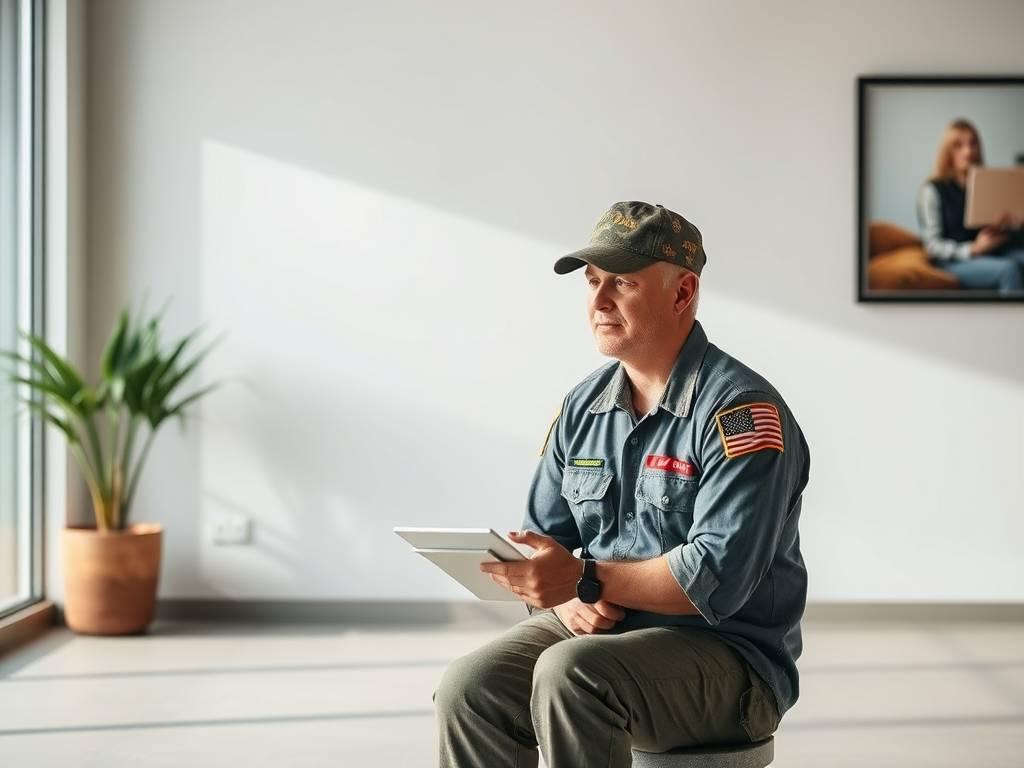
Veterans often make several common mistakes when seeking PTSD support, such as underestimating the importance of professional help, neglecting to explore various treatment options, and failing to communicate their specific needs. Understanding these missteps can lead to more effective support and recovery. It is crucial to recognize the signs of PTSD and actively seek the right resources, including therapy, support groups, and educational materials tailored for veterans. Addressing these mistakes can significantly improve the chances of successful treatment and overall well-being.
Underestimating the Importance of Professional Help
One of the most significant mistakes veterans make when seeking PTSD support is underestimating the importance of professional help. Many veterans believe they can manage their symptoms independently or rely solely on informal support from friends and family. While having a support network is essential, professional intervention often provides the specialized care needed for effective recovery.
PTSD can manifest in various ways, including anxiety, depression, and emotional numbness, which may become overwhelming without proper guidance. Mental health professionals are trained to assess the severity of PTSD and develop tailored treatment plans that may include therapy, medication, or a combination of both. By dismissing the need for professional help, veterans risk prolonging their suffering and complicating their recovery process.
For instance, a veteran might initially seek help from a friend who has faced similar experiences. While this can be comforting, it may not address the underlying issues effectively. Engaging with a therapist who specializes in trauma can provide veterans with coping strategies and tools specifically designed to manage PTSD symptoms. This highlights the importance of recognizing when to seek professional assistance and understanding that it is a sign of strength, not weakness.
Underestimating the Importance of Professional Help matters because it turns common mistakes veterans make when seeking PTSD support from a broad idea into a decision the reader can actually apply. The practical difference usually shows up in the details: how much is needed, when the choice is made, what tradeoff is acceptable, and what sign shows the approach is working. For technology topics, the strongest advice connects the user goal, system constraint, maintenance burden, and measurable outcome.
A useful way to handle this section is to compare the normal baseline with the situation that creates extra demand. If veterans is the baseline concern, then ptsd becomes the adjustment point and support becomes the outcome to watch. That keeps the advice specific without forcing the reader into a rigid formula that may not fit their routine, budget, tolerance, schedule, or current level of experience.
The most common mistake is changing too many variables at once. A better approach is to choose one measurable adjustment, use it consistently long enough to see a pattern, and then refine the next step based on energy, comfort, performance, safety, or reliability. This makes the guidance easier to trust because the reader can connect the recommendation to what they observe rather than guessing from a generic checklist.
The practical takeaway is to make the section actionable: identify the main constraint, choose the smallest useful change, and compare the result against the goal. When the outcome improves, the reader can keep the approach. When it does not, the next change should target the most likely bottleneck rather than repeating the same step with more effort.
Neglecting to Explore Various Treatment Options
Another common mistake is neglecting to explore various treatment options available for PTSD. Many veterans may only consider traditional therapies, such as cognitive-behavioral therapy (CBT), without investigating alternative treatments that could be beneficial. Options like eye movement desensitization and reprocessing (EMDR), group therapy, or even holistic approaches like yoga and meditation can complement traditional methods and enhance recovery.
Each veteran’s experience with PTSD is unique, and what works for one individual may not work for another. Therefore, it is crucial to remain open-minded about different treatment modalities. For example, a veteran might find that joining a support group offers valuable peer support and shared experiences that traditional therapy lacks. Additionally, some veterans may benefit from medication to help manage their symptoms, but this should always be discussed with a healthcare provider.
Moreover, veterans should not hesitate to seek a second opinion if they feel their current treatment is not effective. Engaging in an ongoing dialogue with healthcare providers about symptoms, experiences, and preferences is essential for tailoring the most effective treatment plan. This proactive approach can prevent veterans from settling for inadequate support and encourage them to take charge of their recovery journey.
Neglecting to Explore Various Treatment Options matters because it turns common mistakes veterans make when seeking PTSD support from a broad idea into a decision the reader can actually apply. The practical difference usually shows up in the details: how much is needed, when the choice is made, what tradeoff is acceptable, and what sign shows the approach is working. For finance topics, the strongest advice connects risk, cash flow, timing, and the tradeoff behind each decision.
A useful way to handle this section is to compare the normal baseline with the situation that creates extra demand. If veterans is the baseline concern, then support becomes the adjustment point and treatment becomes the outcome to watch. That keeps the advice specific without forcing the reader into a rigid formula that may not fit their routine, budget, tolerance, schedule, or current level of experience.
Failing to Communicate Specific Needs
Effective communication about specific needs is critical when seeking PTSD support. Veterans often struggle to articulate their experiences and emotions, leading to misunderstandings with healthcare providers and support networks. This failure to communicate can hinder the development of effective treatment strategies and support systems.
For example, a veteran may feel uncomfortable discussing their triggers or the severity of their symptoms, which can result in a lack of appropriate care. It is essential for veterans to be honest and open about what they are experiencing, as this information helps therapists and counselors create tailored approaches that address their unique situations. Practicing effective communication can begin with writing down feelings, symptoms, and experiences before appointments, which can help clarify thoughts and convey them more accurately.
Additionally, veterans should feel empowered to ask questions and express concerns during their treatment sessions. Building a collaborative relationship with mental health professionals can significantly enhance the effectiveness of the support received. Veterans should remember that they are entitled to receive care that respects their needs and preferences, and advocating for themselves is a crucial step in the healing process.
Failing to Communicate Specific Needs matters because it turns common mistakes veterans make when seeking PTSD support from a broad idea into a decision the reader can actually estimate. The practical difference usually shows up in the details: how much is needed, when the choice is made, what tradeoff is acceptable, and what sign shows the approach is working. For technology topics, the strongest advice connects the user goal, system constraint, maintenance burden, and measurable outcome.
A useful way to handle this section is to compare the normal baseline with the situation that creates extra demand. If veterans is the baseline concern, then support becomes the adjustment point and effective becomes the outcome to watch. That keeps the advice specific without forcing the reader into a rigid formula that may not fit their routine, budget, tolerance, schedule, or current level of experience.
Avoiding Support Groups
Support groups play a vital role in the recovery process for many veterans, yet some may avoid them due to stigma or misconceptions about their effectiveness. Engaging with peers who have experienced similar challenges can provide comfort, validation, and practical advice that is often difficult to find elsewhere.
Support groups foster a sense of community and belonging, allowing veterans to share their experiences in a safe environment. This shared understanding can significantly reduce feelings of isolation and loneliness that often accompany PTSD. For instance, a veteran attending a support group may hear someone else describe a coping mechanism that resonates with them, leading to new strategies they can implement in their daily life.
Furthermore, support groups can be an excellent complement to individual therapy, providing a more holistic approach to recovery. Veterans should consider exploring various types of support groups, including those focused on specific experiences, such as combat-related trauma, or those that offer a more general approach to PTSD. This exploration can help veterans find the right fit for their needs and create a supportive network that enhances their overall recovery.
Avoiding Support Groups matters because it turns common mistakes veterans make when seeking PTSD support from a broad idea into a decision the reader can actually apply. The practical difference usually shows up in the details: how much is needed, when the choice is made, what tradeoff is acceptable, and what sign shows the approach is working. For technology topics, the strongest advice connects the user goal, system constraint, maintenance burden, and measurable outcome.
A useful way to handle this section is to compare the normal baseline with the situation that creates extra demand. If support is the baseline concern, then veterans becomes the adjustment point and groups becomes the outcome to watch. That keeps the advice specific without forcing the reader into a rigid formula that may not fit their routine, budget, tolerance, schedule, or current level of experience.
Conclusion
Recognizing and addressing the common mistakes veterans make when seeking PTSD support is crucial for effective recovery. By valuing professional help, exploring diverse treatment options, communicating specific needs, and engaging with support groups, veterans can significantly improve their chances of healing. Taking proactive steps in these areas not only aids personal recovery but also fosters a supportive environment that encourages growth and resilience. Veterans are urged to prioritize their mental health and seek the resources available to them, ultimately leading to a more fulfilling life after service.
Frequently Asked Questions
What are the main symptoms of PTSD in veterans?
Main symptoms include flashbacks, nightmares, severe anxiety, and uncontrollable thoughts about the traumatic event.
How can I find a support group for veterans?
Veterans can find support groups through local VA facilities, community centers, or online platforms dedicated to veteran support.
Is medication necessary for treating PTSD?
Medication is not always necessary; many veterans benefit from therapy alone, but some may require medication to manage symptoms effectively.
What should I do if I feel my treatment isn't working?
If treatment isn't effective, veterans should discuss their concerns with their healthcare provider and explore alternative options or second opinions.
How can family members support veterans with PTSD?
Family members can support veterans by listening, encouraging them to seek professional help, and participating in family therapy if possible.