
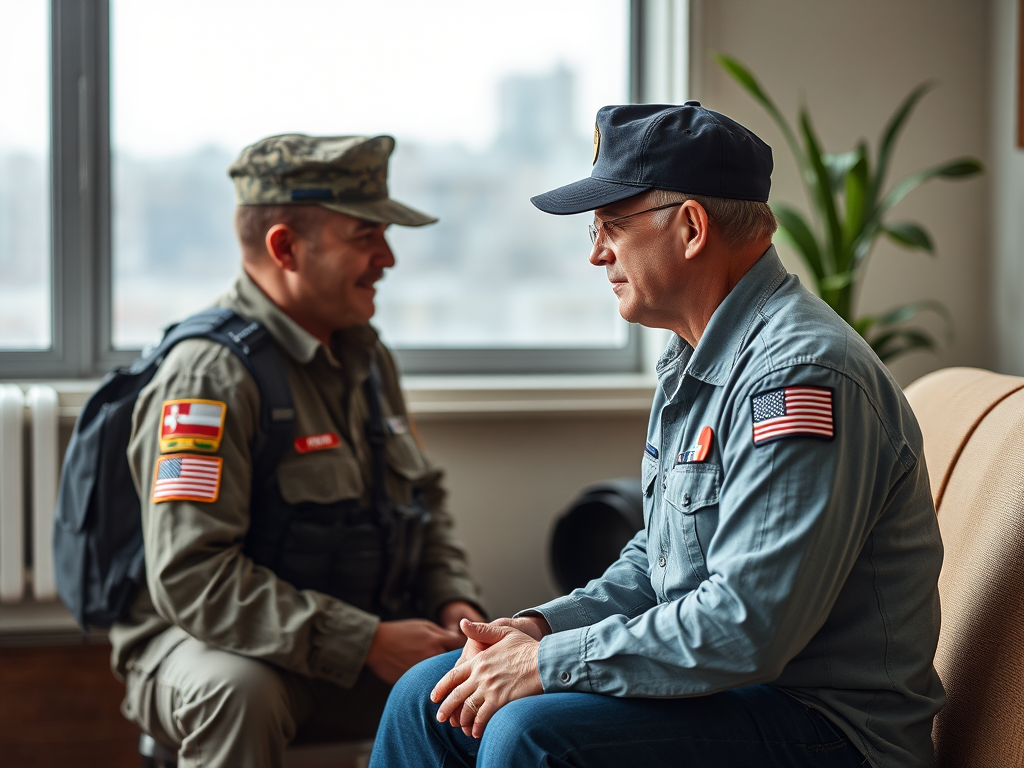
Addressing reluctance to seek help among veterans involves understanding the stigma surrounding mental health, the fear of vulnerability, and the potential for perceived weakness. Effective solutions include creating supportive environments, utilizing peer support programs, and normalizing help-seeking behavior through education and outreach initiatives. Veterans need to feel safe and understood when approaching mental health resources to overcome these barriers.
Understanding the Stigma of Seeking Help
Reluctance to seek help among veterans is often rooted in the stigma surrounding mental health issues. Many veterans fear being judged or viewed as weak by their peers and superiors if they admit to struggling with mental health challenges. This stigma can prevent individuals from reaching out for the support they need, leading to worsening symptoms and isolation.
Research indicates that this stigma is compounded by societal expectations of resilience and toughness associated with military service. Veterans may internalize these beliefs, convincing themselves that seeking help is a sign of failure rather than a strength. Addressing this stigma is crucial for improving access to mental health resources and encouraging veterans to seek help.
Understanding the Stigma of Seeking Help matters because it turns addressing reluctance to seek help among veterans from a broad idea into a decision the reader can actually apply. The practical difference usually shows up in the details: how much is needed, when the choice is made, what tradeoff is acceptable, and what sign shows the approach is working. For technology topics, the strongest advice connects the user goal, system constraint, maintenance burden, and measurable outcome.
A useful way to handle this section is to compare the normal baseline with the situation that creates extra demand. If help is the baseline concern, then veterans becomes the adjustment point and stigma becomes the outcome to watch. That keeps the advice specific without forcing the reader into a rigid formula that may not fit their routine, budget, tolerance, schedule, or current level of experience.
The most common mistake is changing too many variables at once. A better approach is to choose one measurable adjustment, use it consistently long enough to see a pattern, and then refine the next step based on energy, comfort, performance, safety, or reliability. This makes the guidance easier to trust because the reader can connect the recommendation to what they observe rather than guessing from a generic checklist.
The practical takeaway is to make the section actionable: identify the main constraint, choose the smallest useful change, and compare the result against the goal. When the outcome improves, the reader can keep the approach. When it does not, the next change should target the most likely bottleneck rather than repeating the same step with more effort.
The Role of Military Culture
Military culture plays a significant role in shaping the attitudes of veterans towards seeking help. Many service members are trained to prioritize mission readiness and self-reliance, which can lead to an aversion to discussing personal struggles. This cultural conditioning can create a barrier to seeking mental health support, as veterans may feel pressured to maintain an image of stoicism.
Furthermore, the camaraderie and shared experiences among veterans can lead to a reluctance to disclose vulnerabilities, fearing that it may disrupt the unit cohesion. Understanding these cultural dynamics is essential in addressing the reluctance to seek help, as it allows for tailored interventions that resonate with veterans’ experiences.
The Role of Military Culture matters because it turns addressing reluctance to seek help among veterans from a broad idea into a decision the reader can actually apply. The practical difference usually shows up in the details: how much is needed, when the choice is made, what tradeoff is acceptable, and what sign shows the approach is working. For technology topics, the strongest advice connects the user goal, system constraint, maintenance burden, and measurable outcome.
A useful way to handle this section is to compare the normal baseline with the situation that creates extra demand. If veterans is the baseline concern, then reluctance becomes the adjustment point and help becomes the outcome to watch. That keeps the advice specific without forcing the reader into a rigid formula that may not fit their routine, budget, tolerance, schedule, or current level of experience.
The most common mistake is changing too many variables at once. A better approach is to choose one measurable adjustment, use it consistently long enough to see a pattern, and then refine the next step based on energy, comfort, performance, safety, or reliability. This makes the guidance easier to trust because the reader can connect the recommendation to what they observe rather than guessing from a generic checklist.
The practical takeaway is to make the section actionable: identify the main constraint, choose the smallest useful change, and compare the result against the goal. When the outcome improves, the reader can keep the approach. When it does not, the next change should target the most likely bottleneck rather than repeating the same step with more effort.
Effective Strategies for Encouragement
Implementing effective strategies to encourage veterans to seek help involves creating an environment where they feel safe and supported. One approach is to promote mental health education within veteran communities to normalize discussions around mental health and reduce stigma. Workshops, seminars, and informational resources can help veterans understand that seeking help is a proactive step towards well-being.
Additionally, leadership within veteran organizations and military units should actively promote mental health resources and share personal stories of recovery. When veterans see their peers and leaders openly discussing their experiences with seeking help, it can foster a culture where reaching out for support is viewed positively.
Effective Strategies for Encouragement matters because it turns addressing reluctance to seek help among veterans from a broad idea into a decision the reader can actually apply. The practical difference usually shows up in the details: how much is needed, when the choice is made, what tradeoff is acceptable, and what sign shows the approach is working. For pet topics, the strongest advice connects behavior, environment, consistency, health, and the animal’s response over time.
A useful way to handle this section is to compare the normal baseline with the situation that creates extra demand. If help is the baseline concern, then veterans becomes the adjustment point and seek becomes the outcome to watch. That keeps the advice specific without forcing the reader into a rigid formula that may not fit their routine, budget, tolerance, schedule, or current level of experience.
Peer Support and Community Engagement
Peer support programs can effectively address reluctance to seek help among veterans. These programs connect veterans with others who have shared similar experiences, creating a sense of understanding and camaraderie. When veterans engage with peers who have successfully sought help, it can inspire them to do the same.
Community engagement initiatives, such as support groups and social events, can also play a vital role in reducing isolation and building supportive networks. These environments allow veterans to share their experiences, learn from one another, and feel less alone in their struggles. By fostering a sense of belonging, veterans may be more inclined to seek help when needed.
For those looking to explore more about addressing reluctance to seek help among veterans, consider visiting resources from organizations such as the Department of Veterans Affairs and Mental Health America, which provide valuable insights and support options.
Peer Support and Community Engagement matters because it turns addressing reluctance to seek help among veterans from a broad idea into a decision the reader can actually apply. The practical difference usually shows up in the details: how much is needed, when the choice is made, what tradeoff is acceptable, and what sign shows the approach is working. For technology topics, the strongest advice connects the user goal, system constraint, maintenance burden, and measurable outcome.
A useful way to handle this section is to compare the normal baseline with the situation that creates extra demand. If veterans is the baseline concern, then help becomes the adjustment point and seek becomes the outcome to watch. That keeps the advice specific without forcing the reader into a rigid formula that may not fit their routine, budget, tolerance, schedule, or current level of experience.