
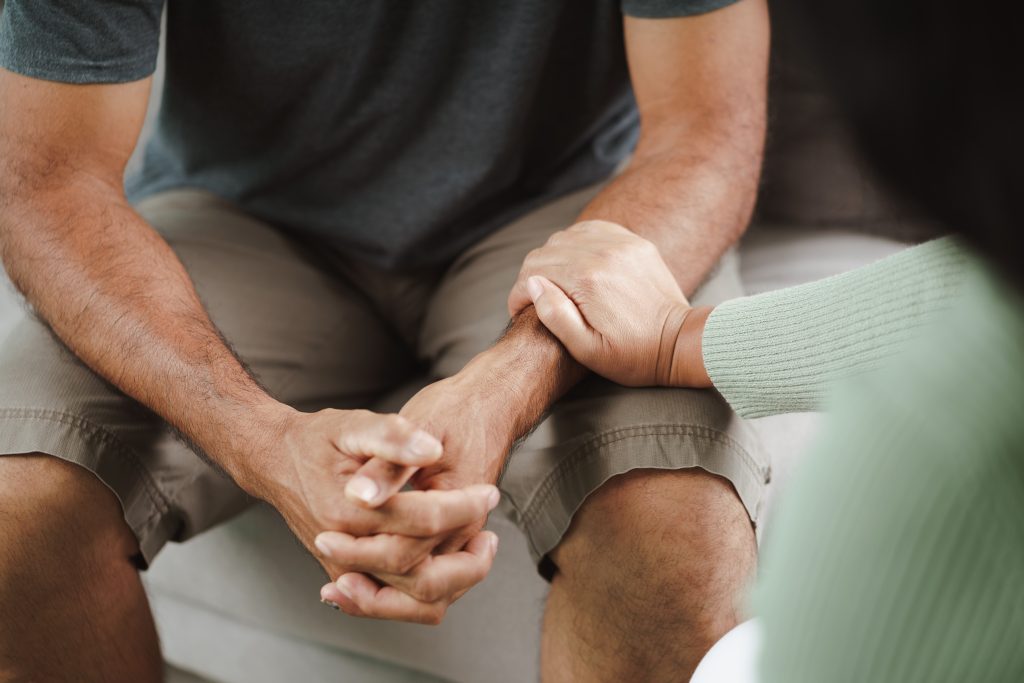
Building a life after PTSD is a critical journey that requires a proactive approach to recovery. This process encompasses various strategies aimed at addressing the emotional, psychological, and physical impacts of trauma. Key components include establishing a supportive environment, seeking professional help, and integrating self-care practices into daily life. These steps not only aid in managing symptoms but also facilitate a sense of normalcy and purpose.
Understanding the importance of a structured routine can significantly influence recovery. Daily activities can provide individuals with a sense of control and predictability, which are often disrupted by PTSD. Moreover, physical exercise has been shown to release endorphins, improving mood and reducing anxiety. Engaging in hobbies, social activities, and volunteer work can also foster connections and promote healing.
Common pitfalls include isolation and neglecting self-care. Many individuals may feel tempted to withdraw from social interactions or skip therapeutic sessions, believing they can handle their recovery alone. However, maintaining connections with supportive friends, family, or support groups is crucial. It’s important to prioritize self-care and seek out professional assistance when needed to avoid setbacks in recovery.
Understanding PTSD and Its Effects
PTSD can manifest in various ways, including flashbacks, anxiety, and emotional numbness. Recognizing these symptoms is essential for effective management. Understanding the impact of trauma on mental health helps individuals identify their triggers and develop coping mechanisms.
Awareness of how PTSD affects daily life can guide individuals in making informed decisions about their recovery journey. For instance, some might find that certain environments or situations exacerbate their symptoms. Acknowledging these triggers allows for better preparation and avoidance strategies, which can significantly improve day-to-day functioning.
Many people underestimate the long-term effects of trauma, believing that time alone will heal their wounds. However, without addressing these issues, symptoms may persist or even worsen. Prioritizing mental health by seeking therapy or counseling is crucial for sustainable recovery.
Building a Support System
A robust support system is vital for recovery from PTSD. This can include friends, family, support groups, or mental health professionals. Having people who understand your experiences can provide comfort and validation.
Connecting with others can help reduce feelings of isolation. Support groups, whether in-person or online, can offer shared experiences and coping strategies, making the recovery journey feel less daunting. It’s important to actively engage with these networks, as they can provide insights and encouragement.
Many individuals may feel hesitant to reach out for help, fearing judgment or misunderstanding. It’s essential to challenge these thoughts and recognize that seeking support is a sign of strength. Building a network of trusted individuals who can offer support is an important step in the recovery process.
Daily Routines and Self-Care Practices
Establishing a daily routine can create a sense of stability and predictability, which is often disrupted by PTSD. This routine should include time for work, leisure, and self-care activities.
Incorporating self-care practices such as exercise, meditation, or hobbies can greatly enhance emotional well-being. Physical activity, in particular, is known to produce endorphins, which can improve mood and reduce anxiety. Mindfulness practices can also help individuals stay grounded and manage stress effectively.
It’s easy to overlook self-care during times of distress. However, prioritizing these activities can lead to significant improvements in mental health. Individuals should identify which self-care practices resonate with them and incorporate them into their daily lives without guilt.
Engaging in Therapeutic Activities
Therapeutic activities, such as art therapy, music therapy, or journaling, can provide valuable outlets for expressing emotions and processing trauma. These activities allow individuals to explore their feelings in a non-threatening way.
Participating in creative therapies can also foster a sense of accomplishment and self-expression, which is often hindered by PTSD. Engaging in these activities can help individuals reconnect with themselves and their interests, promoting healing and self-discovery.
Many may feel uncertain about which therapeutic activity to pursue. It’s beneficial to experiment with different forms of therapy to find what resonates most. Consulting with a mental health professional can provide additional guidance and recommendations tailored to individual needs.
Further Reading
For readers seeking more information on building a life after PTSD, consider exploring resources from reputable organizations such as the National Center for PTSD and the Anxiety and Depression Association of America. These sources offer valuable insights and support for those navigating recovery.
Further Reading
Authoritative Sources
- MedlinePlus
medlineplus.govConsumer-friendly medical and health information from the U.S. National Library of Medicine.
- National Institutes of Health
nih.govResearch-based health information and links to authoritative medical resources.
- Centers for Disease Control and Prevention
cdc.govOfficial public health guidance, prevention resources, and topic-specific recommendations.
- Mayo Clinic
mayoclinic.orgTrusted clinical guidance, symptom explainers, and treatment overviews.
- World Health Organization
who.intGlobal health guidance, fact sheets, and evidence-based public health information.
Frequently Asked Questions
What are the first steps in recovering from PTSD?
The first steps include recognizing symptoms, seeking professional help, and establishing a support network. Creating a daily routine and incorporating self-care practices are also crucial.
How can I support someone with PTSD?
Listening without judgment, encouraging professional help, and being patient are key ways to support someone with PTSD. Offering to join them in activities can also help.
Are there specific therapies effective for PTSD?
Cognitive Behavioral Therapy (CBT), Eye Movement Desensitization and Reprocessing (EMDR), and exposure therapy are commonly effective therapeutic approaches for treating PTSD.
What role does exercise play in PTSD recovery?
Exercise releases endorphins, which can improve mood and reduce anxiety. Regular physical activity is an essential component of a comprehensive PTSD recovery plan.
Can PTSD symptoms worsen over time?
Yes, without proper treatment and support, PTSD symptoms can worsen over time. It’s crucial to seek help early to prevent long-term complications.
Conclusion
Building a life after PTSD is a multifaceted process that requires dedication and support. Understanding the effects of trauma, creating a supportive environment, and engaging in self-care are essential steps. It’s vital to prioritize mental health by seeking professional help and maintaining connections with others. By taking these proactive measures, individuals can reclaim their lives and foster resilience, paving the way for a fulfilling future.