
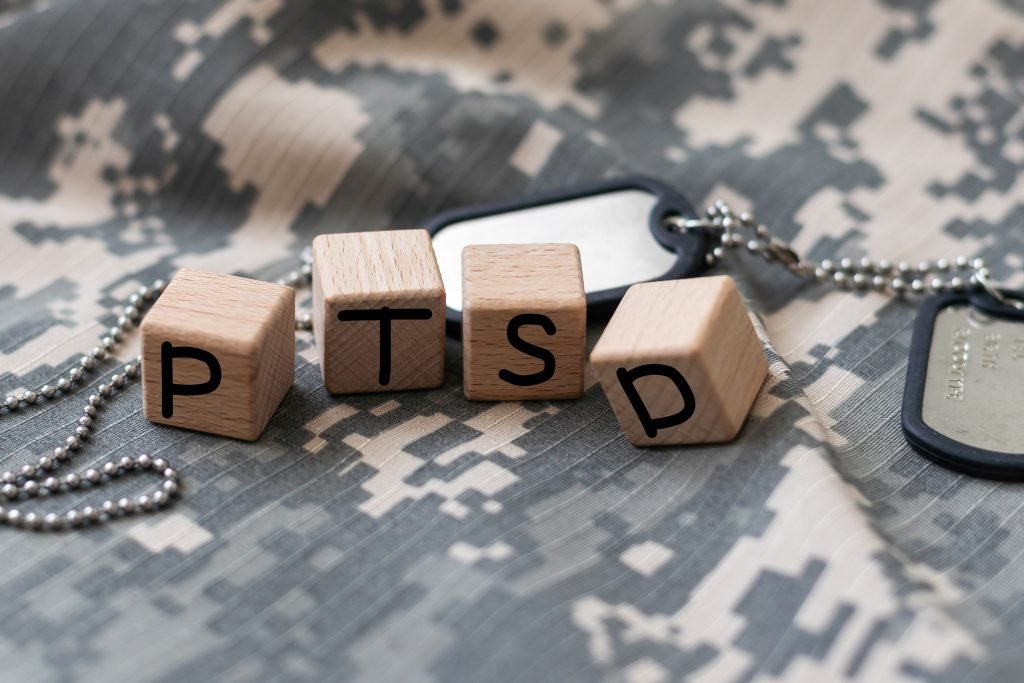
Understanding the causes of PTSD in adolescents is essential for parents, caregivers, and educators. Traumatic experiences can range from accidents and natural disasters to bullying or abuse. The impact of these events can disrupt a teenager’s emotional development, leading to challenges in school, relationships, and overall well-being. Awareness of these underlying causes helps in tailoring appropriate support strategies.
A common mistake adults make is dismissing or downplaying the symptoms exhibited by teens. This can lead to prolonged suffering and hinder their recovery process. It is crucial to approach the situation with empathy and understanding, ensuring that the teen feels safe to express their feelings and experiences.
Identifying PTSD Symptoms in Teenagers
Identifying PTSD symptoms in teenagers is crucial for timely intervention. Symptoms can vary greatly, but common signs include emotional numbness, irritability, and social withdrawal. Adolescents may also exhibit physical symptoms such as headaches or stomachaches that have no apparent medical cause. Recognizing these symptoms allows for early action, which can significantly improve outcomes.
Many teenagers may not understand their feelings, leading to confusion and frustration. It is essential for parents and caregivers to foster open lines of communication. Encouraging teens to share their experiences and feelings can help in identifying symptoms that may otherwise go unnoticed. Additionally, being aware of changes in behavior, such as declining academic performance or changes in friend groups, can provide critical insights.
Common pitfalls include assuming that behavioral changes are typical teenage mood swings. While some moodiness is normal, significant shifts that last for weeks should be taken seriously. Engaging in conversations about mental health can help destigmatize the topic and encourage teens to seek help when needed.
Common Causes of PTSD in Adolescents
Common causes of PTSD in adolescents often stem from traumatic experiences that are overwhelming and distressing. These can include physical or sexual abuse, bullying, exposure to violence, or experiencing a life-threatening event. Understanding these causes can help in developing effective coping strategies and interventions.
Trauma can affect teens differently based on their individual resilience, support systems, and previous experiences. It is important to consider factors such as family dynamics and community resources when assessing risk factors for PTSD. For instance, teenagers with strong family support may exhibit more resilience compared to those with a tumultuous home life.
Parents and educators should be aware that not all teens will show obvious signs of trauma. Some may internalize their experiences, leading to silent suffering. Encouraging discussions about trauma and its effects can help break the silence and allow affected teens to express their feelings.
Effective Interventions for Support
Effective interventions for supporting teenagers with PTSD involve a combination of therapeutic approaches and supportive environments. Cognitive Behavioral Therapy (CBT) is often recommended, focusing on changing negative thought patterns and behaviors associated with trauma. Other approaches, such as exposure therapy, can also be beneficial in helping teens confront and process their traumatic experiences.
In addition to professional therapy, creating a supportive home and school environment is crucial. Parents and teachers can play a significant role by being patient, understanding, and actively involved in the teen’s recovery process. Establishing routines and encouraging participation in activities can help restore a sense of normalcy and security.
Another key aspect is educating peers about PTSD to foster a supportive community. Programs that promote mental health awareness can help reduce stigma and encourage teens to seek help. Facilitating peer support groups can also provide a safe space for sharing experiences and coping strategies.
Further Reading
Authoritative Sources
- National Institute of Mental Health: PTSD
nimh.nih.govThis resource offers comprehensive information on PTSD, including symptoms, causes, and treatment options
- American Psychological Association: Trauma
apa.orgA guide to understanding trauma, its effects, and therapeutic interventions available for adolescents
- Boston Children's Hospital: PTSD in Children and Teens
childrenshospital.orgInformation on how PTSD affects children and teens, along with treatment resources
- National Association of School Psychologists: Trauma-Informed Schools
nasponline.orgStrategies for creating trauma-informed educational environments for students
Frequently Asked Questions
What are the first signs of PTSD in teenagers?
Initial signs of PTSD in teenagers may include emotional withdrawal, irritability, changes in sleeping patterns, and difficulty concentrating.
How can parents support a teenager with PTSD?
Parents can support their teens by fostering open communication, encouraging professional help, and creating a safe and understanding home environment.
Is PTSD common in teenagers?
PTSD can occur in teenagers, particularly those who have experienced significant trauma; prevalence can vary based on exposure to traumatic events.
What treatments are effective for PTSD in adolescents?
Cognitive Behavioral Therapy (CBT), exposure therapy, and family therapy are commonly effective treatments for adolescents with PTSD.
How long does PTSD last in teenagers?
The duration of PTSD can vary; some teenagers may recover within months, while others may experience symptoms for years without appropriate intervention.
Conclusion
Recognizing and addressing PTSD symptoms in teenagers is essential for their emotional recovery and overall well-being. By understanding the signs, causes, and effective interventions, parents and caregivers can provide crucial support. Early intervention can lead to better outcomes, allowing adolescents to regain control over their lives and develop healthier coping mechanisms. It is important to maintain open lines of communication and seek professional help when necessary, ensuring that teens do not navigate their trauma alone.