
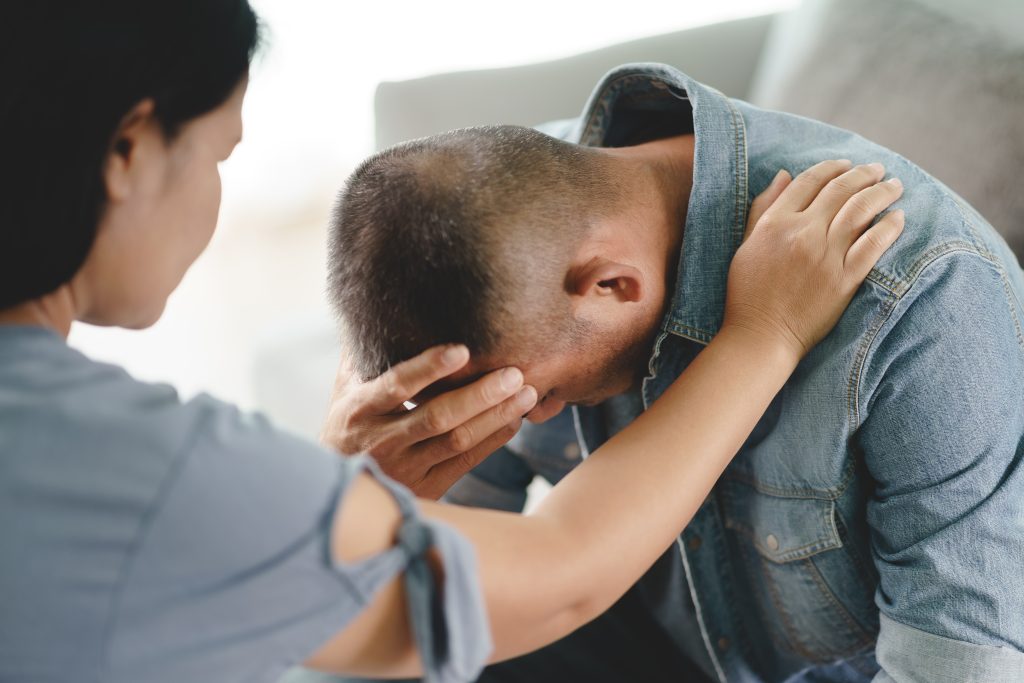
Those living with PTSD frequently encounter sleep issues like insomnia and nightmares, which can exacerbate symptoms and hinder recovery. Understanding the importance of sleep hygiene, including factors like light exposure and temperature regulation, is essential for fostering a restful sleep environment. Additionally, addressing the emotional and psychological aspects of PTSD through therapy can complement these practical strategies.
A common mistake is underestimating the impact of daily habits on sleep quality. For example, excessive screen time before bed can disrupt circadian rhythms, making it harder to fall asleep. Prioritizing healthy lifestyle choices and managing stress through mindfulness or exercise can significantly improve sleep outcomes for those affected by PTSD.
Establishing a Sleep Routine
One of the most effective ways to improve sleep with PTSD is by establishing a consistent sleep routine. This involves going to bed and waking up at the same time every day, which helps regulate the body’s internal clock. Consistency in sleep patterns can lead to improved sleep quality and reduced insomnia symptoms.
Creating a calming pre-sleep routine is essential. Activities such as reading, meditating, or gentle stretches can signal to the body that it is time to wind down. It’s important to avoid stimulating activities or substances like caffeine close to bedtime, as they can hinder the ability to fall asleep. Many individuals with PTSD may also benefit from journaling before bed to process emotions and thoughts, reducing anxiety that can interfere with sleep.
Moreover, it’s crucial to recognize that changes in sleep habits may take time to yield results. Patience and persistence in maintaining a routine can lead to significant improvements in sleep quality over weeks or months.
Creating a Sleep-Conducive Environment
The sleep environment plays a vital role in achieving restful sleep. Individuals with PTSD should aim to create a bedroom that is dark, quiet, and cool. Consider using blackout curtains, earplugs, or white noise machines to minimize disturbances.
Additionally, investing in a comfortable mattress and pillows can significantly enhance sleep quality. It’s also beneficial to limit exposure to screens and bright lights in the hour leading up to bedtime, as blue light can interfere with melatonin production and disrupt sleep cycles.
Another common error is using the bedroom for activities other than sleep, such as working or watching TV. This can create negative associations with the sleep environment. Designating the bedroom solely for sleep and intimacy can help reinforce its purpose and improve sleep outcomes.
Relaxation Techniques for Better Sleep
Incorporating relaxation techniques can greatly assist those with PTSD in achieving better sleep. Techniques such as deep breathing, progressive muscle relaxation, and guided imagery can calm the mind and prepare the body for sleep. These practices help reduce anxiety and stress, which are often heightened in individuals with PTSD.
Mindfulness meditation is another powerful tool. Research has shown that mindfulness can improve sleep quality and reduce insomnia symptoms. Engaging in mindfulness practices during the day can help individuals manage stress more effectively, leading to a calmer state before bedtime.
It’s important to find a relaxation technique that resonates personally, as effectiveness can vary among individuals. Experimenting with different methods and incorporating them into a nightly routine can yield positive results.
Lifestyle Changes to Enhance Sleep Quality
Making lifestyle changes can significantly enhance sleep quality for those with PTSD. Regular physical activity is one such change; engaging in moderate exercise during the day can help reduce anxiety and promote better sleep at night. However, it’s advisable to avoid vigorous exercise close to bedtime, as it may energize rather than relax the body.
Nutrition also plays a key role in sleep quality. A balanced diet that includes sleep-promoting foods such as complex carbohydrates, lean proteins, and healthy fats can help regulate sleep patterns. Additionally, staying hydrated throughout the day while limiting fluid intake in the evening can prevent nighttime awakenings.
Lastly, managing stress through techniques like yoga or tai chi can provide both physical and mental benefits, further supporting improved sleep quality. Addressing these lifestyle factors holistically will lead to a better sleep experience for individuals dealing with PTSD.
Further Reading
Authoritative Sources
- Sleep and PTSD: A Review of the Literature
ncbi.nlm.nih.govThis article reviews the relationship between sleep disturbances and PTSD, offering insights into treatment options
- National Center for PTSD
ptsd.va.govA resource for understanding PTSD and its effects, including sleep-related issues
- National Sleep Foundation
sleepfoundation.orgOffers comprehensive information about sleep health and tips for improving sleep quality
- American Psychological Association: PTSD
apa.orgProvides insights into PTSD management, including the impact on sleep
Frequently Asked Questions
What are common sleep issues for those with PTSD?
Common sleep issues include insomnia, nightmares, and difficulty staying asleep, often exacerbated by anxiety and hyperarousal symptoms.
How can I improve my sleep hygiene?
Improving sleep hygiene involves maintaining a consistent sleep schedule, creating a comfortable sleep environment, and avoiding stimulants before bedtime.
Are there specific foods that help with sleep?
Foods rich in magnesium, melatonin, and tryptophan, such as leafy greens, nuts, and turkey, can promote better sleep.
What relaxation techniques can I try before bed?
Techniques like deep breathing, progressive muscle relaxation, and mindfulness meditation can help calm the mind and prepare the body for sleep.
How long does it take to see improvements in sleep with these methods?
Improvements in sleep can take several weeks of consistent practice with these methods, so patience and persistence are key.
Conclusion
Improving sleep for those with PTSD is a multifaceted process that requires dedication to establishing routines, creating a supportive environment, and incorporating relaxation techniques. By recognizing the importance of sleep hygiene and making necessary lifestyle changes, individuals can enhance their sleep quality and overall well-being. Prioritizing these strategies will not only help in managing PTSD symptoms but also foster a healthier, more restful life.