
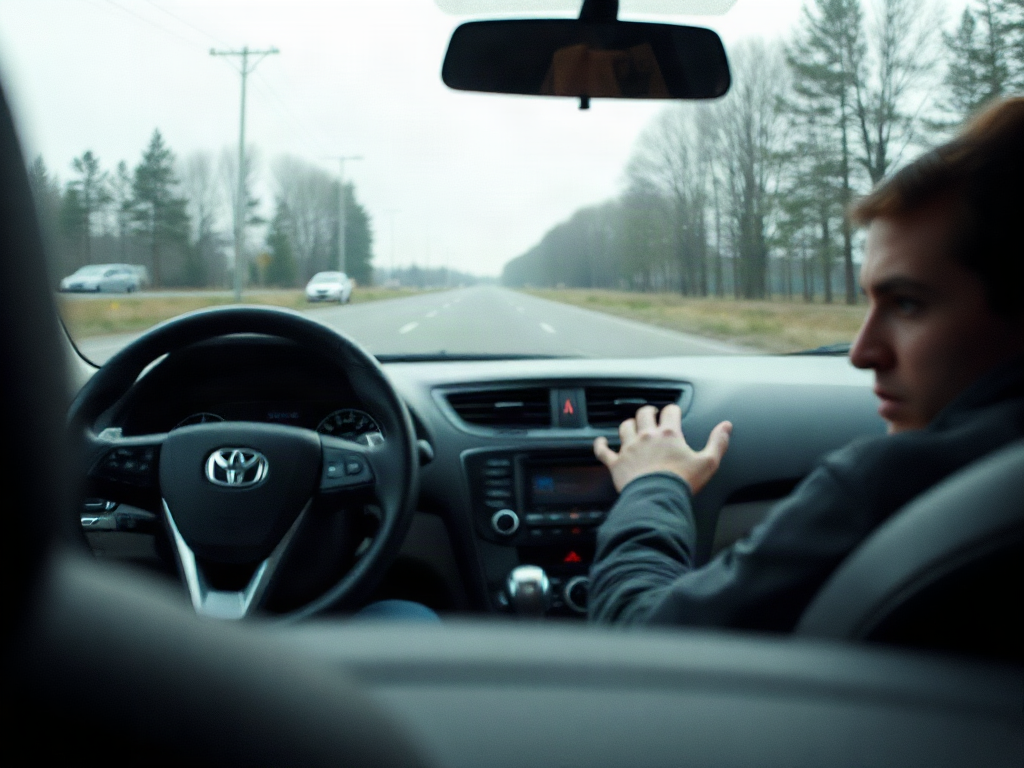
Driving anxiety after a car accident often develops when the brain begins treating traffic, impact sounds, intersections, or loss of control as signs of immediate danger. Recovery usually involves calming acute physical arousal, identifying specific driving triggers, and returning to the road through manageable steps rather than forced exposure or complete avoidance. Begin with a parked car or quiet route, repeat each step until distress becomes more tolerable, and increase difficulty gradually. Panic, intrusive crash memories, dissociation, unsafe concentration, or symptoms that disrupt daily life are reasons to seek help from a qualified mental health professional, particularly one experienced in trauma-focused care.
Why Does Driving Feel Dangerous After a Crash?
A collision can change how the nervous system interprets ordinary road conditions. Before the accident, approaching headlights, braking traffic, or a vehicle entering from a side street may have registered as routine information. Afterward, the same cues may prompt muscle tension, a racing heart, rapid breathing, or an urgent need to escape. The reaction can occur even when the current situation is objectively different from the crash.
Triggers are often more specific than “driving.” Someone hit while waiting at a red light may become tense whenever a vehicle stops closely behind them. A person injured on a highway may feel relatively comfortable on neighborhood streets but panic near an entrance ramp. Weather, time of day, sirens, tire noise, the smell of an airbag, or sitting in the same model of car can also reactivate sensory fragments of the event.
Hypervigilance can then make the road seem increasingly threatening. The driver may monitor every nearby vehicle, grip the wheel tightly, brake earlier than necessary, or repeatedly check mirrors. That intense monitoring feels protective, but it divides attention and keeps the body in a sustained alarm state. Normal traffic movements may start to look like evidence that another crash is imminent.
Avoidance provides short-term relief, which can unintentionally reinforce the fear. Canceling one difficult trip may be a reasonable response when someone is exhausted or unable to focus. Avoiding every car journey for weeks, however, gives the brain few opportunities to distinguish a remembered threat from present road conditions. The opposite mistake is forcing a long, demanding drive while highly distressed. An overwhelming attempt may strengthen the association between driving and danger.
Not every post-crash reaction indicates post-traumatic stress disorder. Pain, concussion symptoms, medication effects, financial pressure, insurance disputes, or uncertainty about the vehicle can independently increase distress. A useful first task is to identify what actually activates the anxiety: being a passenger, controlling the car, passing the crash location, driving at speed, or trusting other motorists. A precise trigger map supports a more targeted return than treating every road situation as equally difficult.
What Should You Check Before Driving Again?
Readiness depends on physical function, concentration, vehicle condition, and the intensity of the anxiety response. Emotional determination alone does not make driving safe. Pain that restricts neck rotation, dizziness, blurred vision, slowed reactions, or medication-related drowsiness can interfere with observation and decision-making. Questions about injuries or medication effects belong with the relevant clinician or pharmacist rather than being tested in traffic.
The car also needs to feel mechanically credible. If the vehicle was damaged, confirm that required repairs and safety inspections have been completed before using it for anxiety practice. Warning lights, unfamiliar steering behavior, damaged mirrors, or doubts about brakes add a real safety concern to a learned fear response. Practicing in a car the driver does not trust makes it difficult to determine whether distress is coming from trauma reminders or an unresolved mechanical problem.
Next, assess functional attention in a low-risk setting. While seated in a parked car, notice whether you can identify dashboard controls, follow a simple conversation, and observe the surroundings without becoming disoriented. Severe shaking, tunnel vision, a sense of unreality, or a vivid feeling that the collision is happening again suggests that moving into traffic may be premature. A strong reaction is not a personal failure; it is information that the starting step needs to be smaller.
Use a brief pre-drive check:
- Body: Can you turn, brake, steer, and remain alert without medically concerning symptoms?
- Vehicle: Have collision damage and active warning signs been addressed?
- Attention: Can you track the present environment rather than becoming absorbed in the crash memory?
- Route: Is there a familiar, low-complexity option with a safe place to stop?
- Support: Would a calm passenger help, or would conversation and observation add pressure?
A common mistake is using a necessary commute as the first test. Deadlines, heavy traffic, and the inability to turn back raise the stakes. A planned practice session offers more control: choose daylight if that feels easier, avoid severe weather, and decide in advance where the drive will end. The goal is not to eliminate all nervousness before starting. It is to choose conditions in which anxiety remains compatible with safe attention and vehicle control.
A 6-Step Return to Driving
A gradual return works best when each practice task is challenging enough to produce some discomfort but not so intense that attention and control collapse. The correct starting point differs by person. Someone comfortable as a passenger may begin in the driver’s seat, while someone who panics near any vehicle may need to start by standing beside a parked car.
- Reconnect with a stationary car. Sit in the driver’s seat without starting the engine. Adjust the seat and mirrors, locate the controls, and notice present-day details that distinguish this moment from the collision.
- Start the engine while parked. Become familiar with engine noise, vibration, dashboard lights, and seat-belt sensations without adding movement.
- Practice in a controlled area. If lawful and safe, use an empty lot or similarly low-demand setting to rehearse steering, smooth braking, reversing, and parking.
- Drive a short familiar route. Choose quiet streets with predictable turns and an easy return point. Repeat the same route before adding complexity.
- Add one harder condition. Introduce a moderate road, a busier intersection, light rain, or a brief higher-speed segment one variable at a time.
- Rebuild necessary trips. Practice portions of a commute or essential route before attempting the full trip under time pressure.
Repetition matters more than rushing through the sequence. Signs that a step is becoming manageable include less anticipatory dread, quicker recovery after a trigger, reduced wheel gripping, and an improved ability to notice road information beyond the feared hazard. Anxiety does not need to reach zero. A driver can progress when distress is tolerable, attention remains available, and the task no longer feels like an emergency from beginning to end.
If distress rises sharply, move to a safe legal stopping place rather than trying to perform a calming exercise while continuing through complex traffic. Afterward, review the specific trigger. A close-following vehicle may call for more practice with lane changes and safe pull-off options; a highway merge may need to be separated from the rest of a long journey. Reducing the next attempt by one level is usually more useful than abandoning practice entirely.
Do not rely on a support person who criticizes, gives constant instructions, or pushes the pace. A helpful passenger remains calm, limits conversation, and follows the driver’s agreed plan. Dependence can become another constraint, so the passenger’s role may need to fade as confidence and concentration improve. Professional driving instruction may be useful for rebuilding technical skills, but it does not replace trauma-focused mental health care when crash memories or panic are the central problem.
How Can You Manage Anxiety Behind the Wheel?
Behind-the-wheel strategies should preserve attention rather than compete with driving. Complicated visualizations, phone-based exercises, or repeated self-monitoring can become distractions. Simple techniques are safer: relax the jaw, reduce unnecessary pressure on the steering wheel, and lengthen the exhale without forcing deep breaths that cause lightheadedness. The driver’s primary task remains observing traffic and controlling the vehicle.
Present-focused labeling can separate a reminder from an immediate hazard. A driver approaching the site of the collision might silently note, “I recognize this intersection; the light is green, the road is dry, and the vehicle behind me is slowing.” The purpose is not to argue that nothing bad can happen. It is to use current evidence instead of allowing the past event to define the entire scene.
Route design can lower unnecessary demand while skills return. Leaving extra time reduces pressure to speed, taking a familiar road limits navigation decisions, and setting directions before departure prevents phone handling. Yet accommodations can become avoidance if they never change. Driving only at dawn or refusing every left turn may preserve the belief that ordinary conditions are unmanageable. Once a route is stable, introduce one planned variation rather than changing traffic, weather, distance, and speed together.
Track function instead of judging a session only by fear intensity. After a drive, record the route, the strongest trigger, whether attention stayed on the road, what action helped, and how long recovery took. A practice attempt can count as progress even if anxiety appeared, provided the person drove safely and recovered without escalating avoidance. Conversely, finishing a trip while experiencing repeated lapses in awareness is not a success merely because the destination was reached.
Some coping methods create hidden safety problems. Sedating substances, alcohol, excessive caffeine, and last-minute medication changes can alter alertness or arousal; questions about prescribed medication should go to a clinician or pharmacist. Pulling over repeatedly at the first hint of discomfort may also teach the brain that anxiety itself is dangerous. Stopping is appropriate when control or concentration is impaired, but tolerable nervousness can sometimes be allowed to rise and fall during a straightforward, low-risk drive.
When Does Professional Help Make Sense?
Professional help is appropriate when symptoms remain intense, restrict necessary travel, or interfere with safe driving. Relevant signs include recurring crash memories, nightmares, panic, persistent avoidance, emotional numbness, irritability, exaggerated startle responses, or difficulty concentrating. A qualified mental health professional can assess whether the pattern reflects a trauma-related condition, a driving-specific phobia, panic symptoms, depression, another health issue, or overlapping concerns.
Trauma-focused care may involve carefully planned work with memories, beliefs, physical reactions, and avoided situations. The exact approach should be selected with a licensed clinician who can account for injury, symptom severity, and personal history. Exposure should not mean being abruptly sent into the most feared traffic. When used clinically, it is generally structured, collaborative, and adjusted according to the person’s response.
Different problems call for different support. A driving instructor can address loss of technical confidence, such as merging or judging following distance. A physical or occupational rehabilitation professional may be relevant when pain, movement limits, or functional skills complicate driving. A prescribing clinician or pharmacist can clarify whether medication may affect alertness. Mental health treatment is the more direct route when intrusive memories, panic, or trauma-linked avoidance dominate.
Seek urgent assistance if distress creates an immediate risk of harm, if you feel unable to stay oriented while driving, or if thoughts of self-harm are present. Move away from driving duties and contact emergency services or an appropriate crisis resource for your location. A person who experiences episodes of lost time, severe dissociation, fainting, or uncontrolled panic should not use road practice as a diagnostic test.
The common failure mode is waiting for symptoms to become completely disabling before asking for help. Early consultation can clarify whether self-directed practice is suitable and identify safety issues that anxiety alone does not explain. Professional care does not remove the need for gradual real-world practice, but it can make that practice more precise, tolerable, and responsive to setbacks.
Conclusion
A safe return to driving should be based on function, not pressure to prove that the accident no longer matters. Resolve medical and vehicle concerns first, identify the situations that trigger the strongest response, and select a practice step that preserves attention and control. Repeat manageable routes before adding speed, traffic, weather, or time pressure.
Judge progress by steadier concentration, faster recovery, and a broader range of tolerable road conditions rather than by the complete absence of fear. If panic, intrusive memories, dissociation, or persistent avoidance blocks that process, contact a qualified mental health professional. Driving instruction can rebuild road skills, while trauma-focused care addresses reactions tied to the collision; some people may benefit from both forms of support.
Frequently Asked Questions
Is driving anxiety normal after a car accident?
Fear, tension, and increased alertness can occur after a collision. The reaction deserves professional attention when it persists, worsens, disrupts necessary travel, or causes concentration problems that make driving unsafe.
Should I force myself to drive soon after the accident?
Do not force a demanding drive when pain, panic, dissociation, or impaired attention is present. A smaller planned step, after medical and vehicle safety concerns are addressed, is generally more manageable than either total avoidance or abrupt exposure.
Can I practice with someone in the passenger seat?
A calm passenger may help if they understand the route and avoid criticism or constant coaching. If their presence creates performance pressure or distracts you, solo stationary practice or professional support may be a better starting point.
What should I do if panic starts while I am driving?
Keep attention on vehicle control, reduce speed safely, and pull into a legal stopping place when conditions allow. Do not close your eyes or attempt a complex exercise in moving traffic. Recurrent panic warrants assessment by a qualified clinician.
How long does post-accident driving anxiety last?
There is no reliable universal timeline. Duration varies with injury, crash severity, prior experiences, avoidance, available support, and other symptoms. Seek professional guidance when anxiety is not easing or is limiting daily life.