
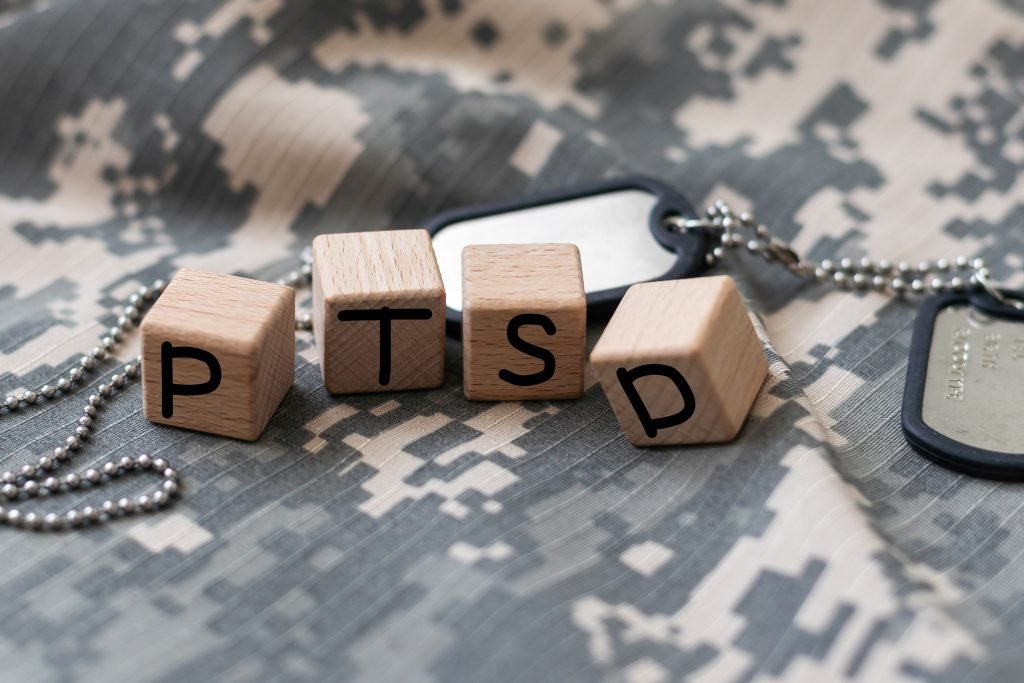
Many individuals recovering from PTSD face challenges in maintaining a consistent routine due to fluctuating emotions and symptoms. It’s crucial to recognize that recovery is not linear; setbacks may occur. However, by implementing structured daily habits and support systems, individuals can navigate these challenges more effectively. Consistency creates a sense of normalcy, which is vital for mental health.
One common mistake is underestimating the importance of self-care. Individuals often feel guilty about prioritizing their needs, but self-care is essential for sustainable recovery. Regularly engaging in activities that promote well-being, such as exercise, healthy eating, and social interaction, can significantly enhance recovery efforts. By focusing on these elements, individuals can build a resilient foundation for lasting healing.
Establishing Daily Routines
Creating a structured daily routine is fundamental for those recovering from PTSD. Routines provide predictability, which can help reduce anxiety and create a sense of control. Incorporating activities such as regular meals, exercise, and scheduled relaxation times can significantly contribute to emotional stability.
Consistency in daily routines not only aids in managing PTSD symptoms but also fosters a sense of accomplishment. For example, setting aside time each day for physical activity can improve mood and reduce stress. Individuals should prioritize what activities best serve their mental health and aim to incorporate those consistently into their day.
However, it’s essential to remain flexible with routines. Life can be unpredictable, and strict adherence may lead to frustration. A balance between structure and flexibility allows individuals to adapt to changing circumstances without derailing their recovery efforts.
Building a Support Network
A strong support network is invaluable in PTSD recovery. Connecting with friends, family, or support groups can provide emotional reassurance and practical assistance. Sharing experiences with others who understand can alleviate feelings of isolation.
Individuals should actively seek out supportive relationships and communicate their needs. Whether it’s participating in a support group or reaching out to a trusted friend, fostering these connections can enhance resilience. Regularly scheduled check-ins with support members can also help maintain accountability in recovery.
It’s important to note that not all relationships are supportive. Identifying and distancing from toxic influences can be just as crucial as building positive connections. Prioritizing relationships that uplift and encourage can significantly impact recovery consistency.
Coping Strategies for Consistency
Employing effective coping strategies is essential for maintaining consistency in PTSD recovery. Techniques such as mindfulness, journaling, and grounding exercises can help manage symptoms and promote emotional regulation. These strategies can be integrated into daily routines to enhance their effectiveness.
Mindfulness practices, such as meditation or deep-breathing exercises, can significantly reduce anxiety and improve focus. Similarly, journaling can provide an outlet for processing emotions and experiences, allowing individuals to reflect on their progress and challenges.
Moreover, creating a list of personal coping strategies can empower individuals to recognize what works best for them. Regularly reviewing and adjusting this list ensures that coping mechanisms remain relevant and effective.
The Role of Professional Help
Engaging with mental health professionals is crucial for those navigating PTSD recovery. Therapists can provide tailored strategies and interventions that align with individual needs. Regular therapy sessions can enhance accountability and provide a safe space for processing experiences.
It’s important to find a therapist who specializes in trauma and PTSD. Techniques such as Cognitive Behavioral Therapy (CBT) and Eye Movement Desensitization and Reprocessing (EMDR) have proven effective in treating PTSD. These therapies can equip individuals with tools to manage symptoms and foster resilience.
Additionally, medication may be beneficial for some individuals. Consulting with a psychiatrist can help determine if medication is appropriate and how it can complement therapeutic efforts.
Further Reading
For further insights into PTSD recovery, consider exploring resources from reputable organizations such as the National Institute of Mental Health or the American Psychological Association. These organizations provide valuable information on coping strategies, therapy options, and support systems that can enhance recovery efforts.
Further Reading
Authoritative Sources
- MedlinePlus
medlineplus.govConsumer-friendly medical and health information from the U.S. National Library of Medicine.
- National Institutes of Health
nih.govResearch-based health information and links to authoritative medical resources.
- Centers for Disease Control and Prevention
cdc.govOfficial public health guidance, prevention resources, and topic-specific recommendations.
- Mayo Clinic
mayoclinic.orgTrusted clinical guidance, symptom explainers, and treatment overviews.
- World Health Organization
who.intGlobal health guidance, fact sheets, and evidence-based public health information.
Frequently Asked Questions
What are the first steps to take for PTSD recovery?
The first steps include seeking professional help, establishing a daily routine, and building a support network. These foundational elements create a strong base for recovery.
How can mindfulness help in PTSD recovery?
Mindfulness practices help individuals remain present and manage anxiety by promoting relaxation and self-awareness. Regular practice can reduce PTSD symptoms over time.
What role does physical activity play in recovery?
Physical activity releases endorphins, which can improve mood and reduce stress. Regular exercise is crucial in maintaining emotional balance during recovery.
Is it normal to have setbacks during recovery?
Yes, setbacks are a common part of the recovery process. It’s important to recognize them as opportunities for learning and growth rather than failures.
How important is a support network?
A strong support network is essential for emotional reassurance and accountability. Connecting with others can significantly enhance recovery efforts.
Conclusion
Staying consistent in PTSD recovery requires establishing daily routines, building a supportive network, and employing effective coping strategies. By prioritizing these elements, individuals can create a resilient framework for their recovery journey. Engaging with mental health professionals and remaining adaptable in the face of challenges further enhances the likelihood of sustained progress. Ultimately, embracing consistency in these areas can lead to improved well-being and a more fulfilling life.